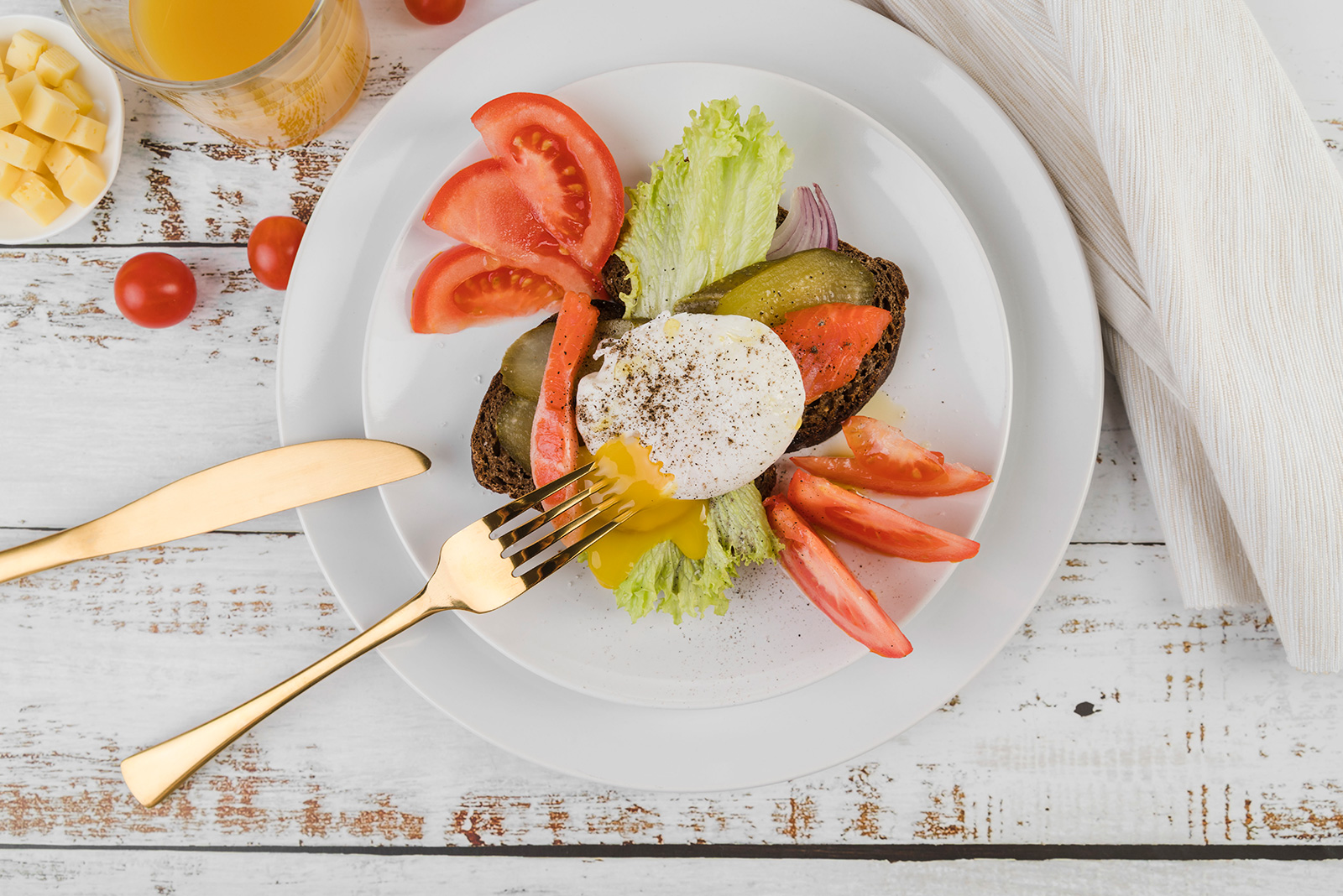
The Mediterranean Plate for teenagers: energy, balance and dietary autonomy
Between the ages of 15 and 17, energy requirements increase due to growth, muscle and brain development, and increased physical activity. At the same time, you gain more independence to make your own food choices – at school, with friends, in cafés, or before or after training.
Understanding how to put together a balanced, complete and practical meal is one of the most important skills in food literacy. The Mediterranean Plate is a simple tool, backed by scientific evidence, and tailored to the lifestyle of today’s young people.
What is the Mediterranean Plate?
It is a visual model that helps you put together a balanced meal, using real, nutrient-rich foods, inspired by the principles of the Mediterranean Diet, which is recognised by science as one of the healthiest and most sustainable diets in the world.
On the plate:
- ½ of the plate: a variety of fruit and vegetables
- ¼ of the plate: foods rich in complex carbohydrates
(bread, rice, pasta, potatoes, quinoa, maize — preferably wholegrain) - ¼ of the plate: sources of protein
(pulses, fish, eggs, chicken; red meat only occasionally) - + a drizzle of olive oil
- + 1 glass of water
This model is not rigid; it is a flexible guide to help you in any context.
Energy and performance: why does balance matter?
Adolescence is a period when energy requirements vary greatly. A balanced meal:
- stabilises blood glucose levels and reduces ‘spikes’ in hunger
- provides energy for studying and training
- helps maintain muscle mass
- supports the functioning of the immune system
- improves concentration, attention and memory
- reduces consumption of ultra-processed foods through nutritional redundancy
It is a simple tool for ensuring that various physiological needs are met.
Small choices, big differences
Simple changes can improve your dish:
- swap white bread for brown bread
- to ask for “more salad” at a restaurant
- choose fish instead of red meat
- drink water instead of energy drinks
- include pulses 2–3 times a week
How to put together your everyday Mediterranean meal
Step 1 — Choose your vegetables first
The more colour, the better: tomatoes, carrots, spinach, cucumber, broccoli, red cabbage… The colours represent different antioxidants.
Step 2 — Add a source of carbohydrates
- wholemeal rice or pasta
- potato or sweet potato
- brown bread
- quinoa/ bulgur/ maize
They are fuel for the brain — essential for exams, training and concentration.
Step 3 — Include a source of protein
- pulses (chickpeas, beans, lentils)
- fish (especially sardines and mackerel)
- chicken or eggs
- small amounts of red meat (once a week is enough)
Step 4 — Finish with a healthy fat
Olive oil is the main fat in the Mediterranean diet — it protects the heart, improves the absorption of vitamins and adds flavour.
In the school canteen
- soup + a dish of vegetables + rice + fish = a complete Mediterranean meal
- avoid replacing vegetables with fried foods
At home
- wholemeal pasta with vegetables + tuna in water + olive oil: balanced
- steak and rice without vegetables: incomplete (half a portion missing)
After training
- sweet potato + scrambled eggs + spinach
- Wholemeal wrap with chicken, tomato and lettuce
With friends
- Pizza? Have a large salad with it and cut down on fizzy drinks
- Kebab? Ask for more vegetables and less sauce
The aim is to strike a balance, not to impose restrictions.

“If half your plate is full of colour, you’re already eating better.”
The colours of vegetables are natural indicators of health; they provide antioxidants, fibre, vitamins and flavour.
FOODWISElab challenge
Increase the variety of fruit and vegetables, making the most of the natural colours of the food and promoting a balanced Mediterranean diet throughout the week.