Food chains and food webs
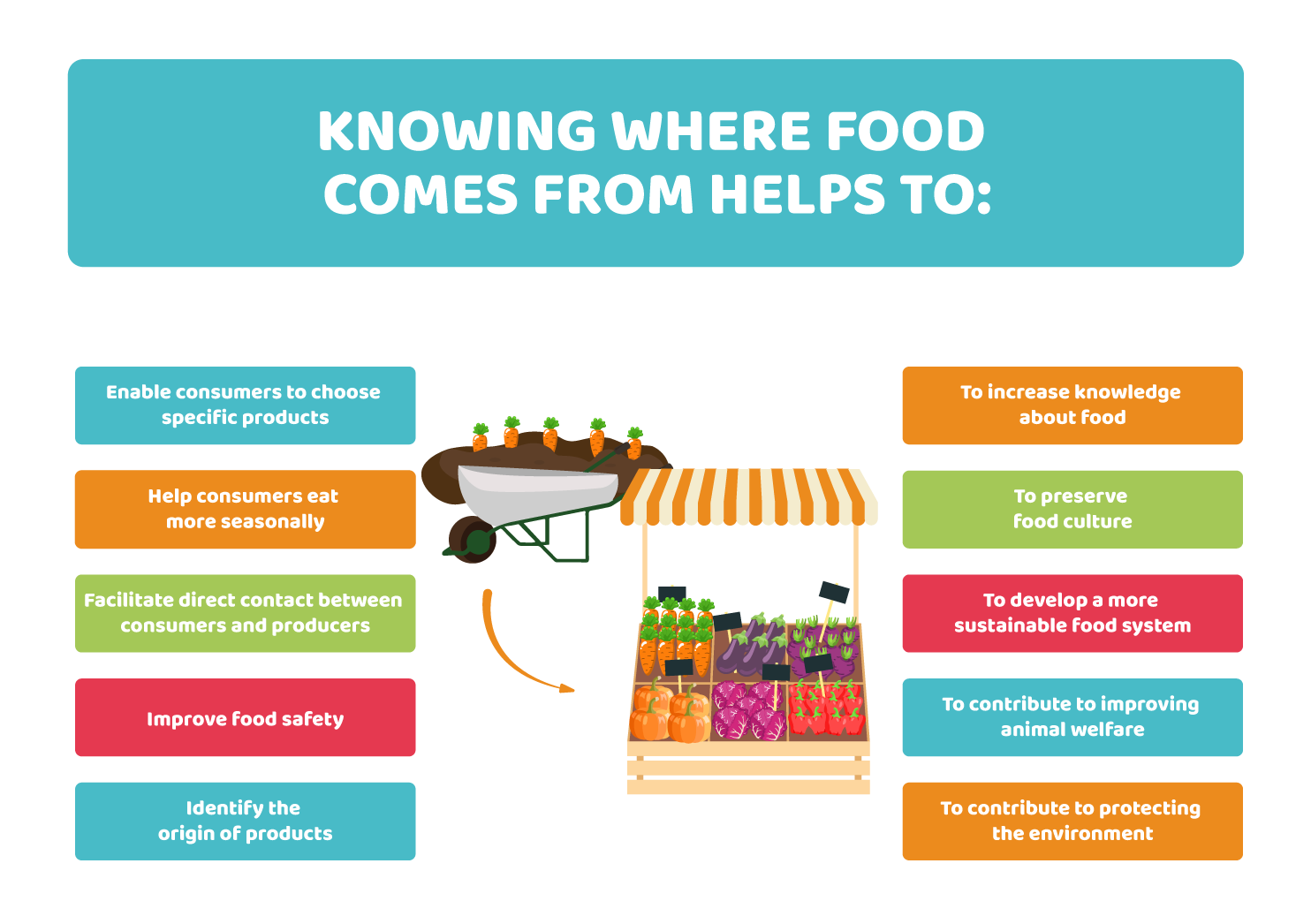
When you look at a food item on your plate or in the supermarket, you see only the end result of a complex process that began long before the crop was harvested, the fish caught or the milk milked. Food travels through human food chains (food production and consumption systems), which include production, processing, transport, distribution, sale and consumption. For anyone wishing to adopt a more critical, sustainable and informed approach to food, understanding these stages is essential.
At this age, you are able to analyse not only where food comes from, but also why it comes from there, how it reaches us and what influences the choices available. This subsection helps you understand the food journey, and how your role as a consumer matters.
In Years 12–14, you introduced the concept of the ‘origin of food’. Now we can explore this in more depth: these chains are not linear, but rather human food webs. They are made up of multiple interconnected actors:
- farmers and primary producers
- manufacturing industries
- conveyors
- distributors
- shops and supermarkets
- regulators
- consumers
- waste management systems
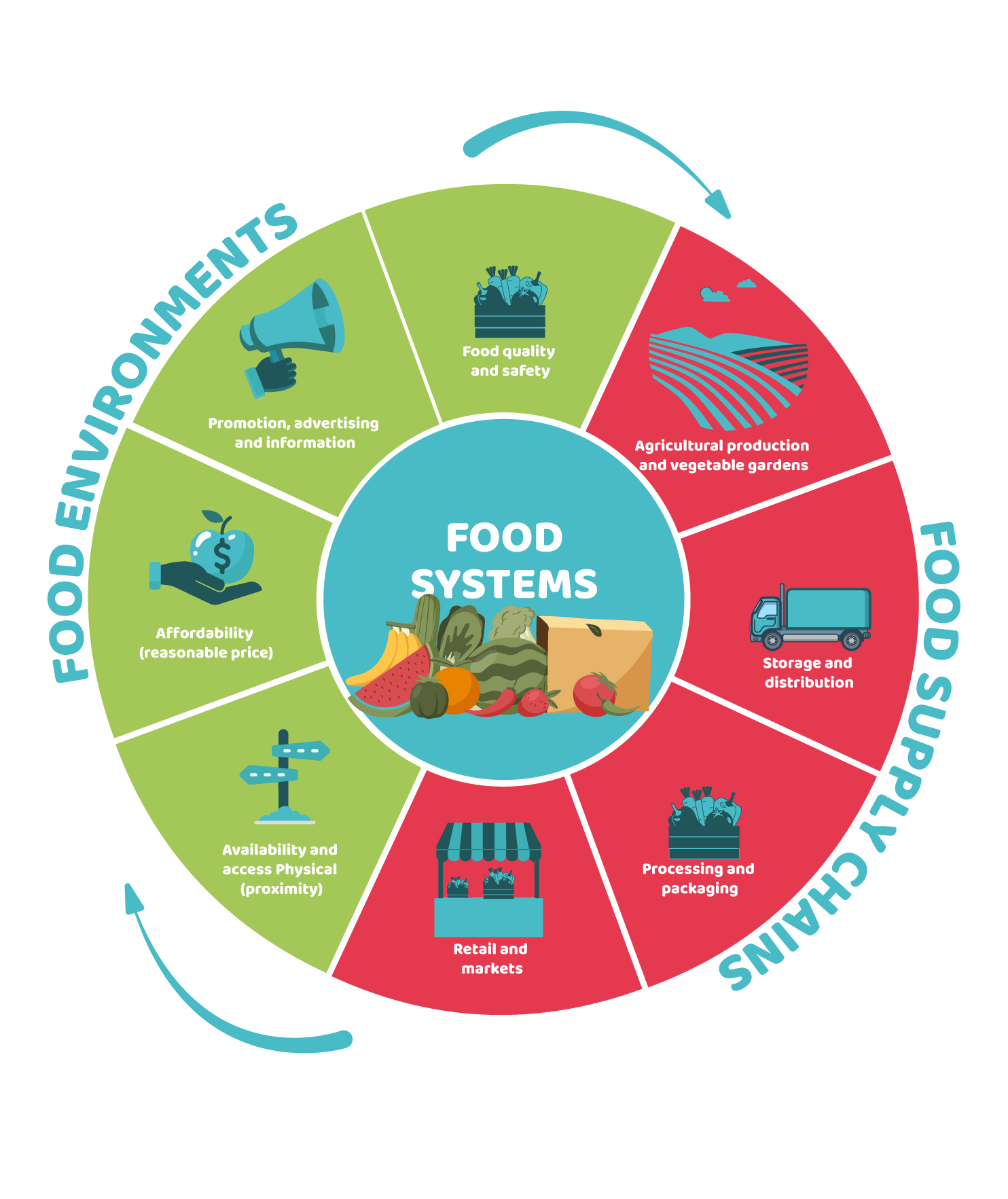

The first stage in the production of any food is always primary production, which may involve agriculture, livestock farming, or fisheries and aquaculture.
Agriculture includes vegetables, fruit, cereals and pulses, produced using conventional, organic or regenerative systems. These systems utilise different types of soil, water and agricultural techniques and are directly influenced by climate change.
Livestock farming involves animals such as cattle, pigs, poultry and goats. Here, animal welfare is central, as are the impact of feeding practices, the use (or non-use) of antibiotics, and methane emissions associated with production.
As for fisheries and aquaculture, it is important to distinguish between small-scale and industrial fishing, between sustainable and overfished species, as well as between different models of aquaculture, which may have a greater or lesser environmental impact.
Each of these production systems influences the nutritional quality of food. For example, a seasonal tomato tends to contain more vitamin C; fish caught in the wild may have a greater diversity of omega-3 profiles; and rain-fed pulses usually have a lower water footprint.
In short, the way we produce food determines what we can eat – in terms of quantity, quality and impact on the planet.
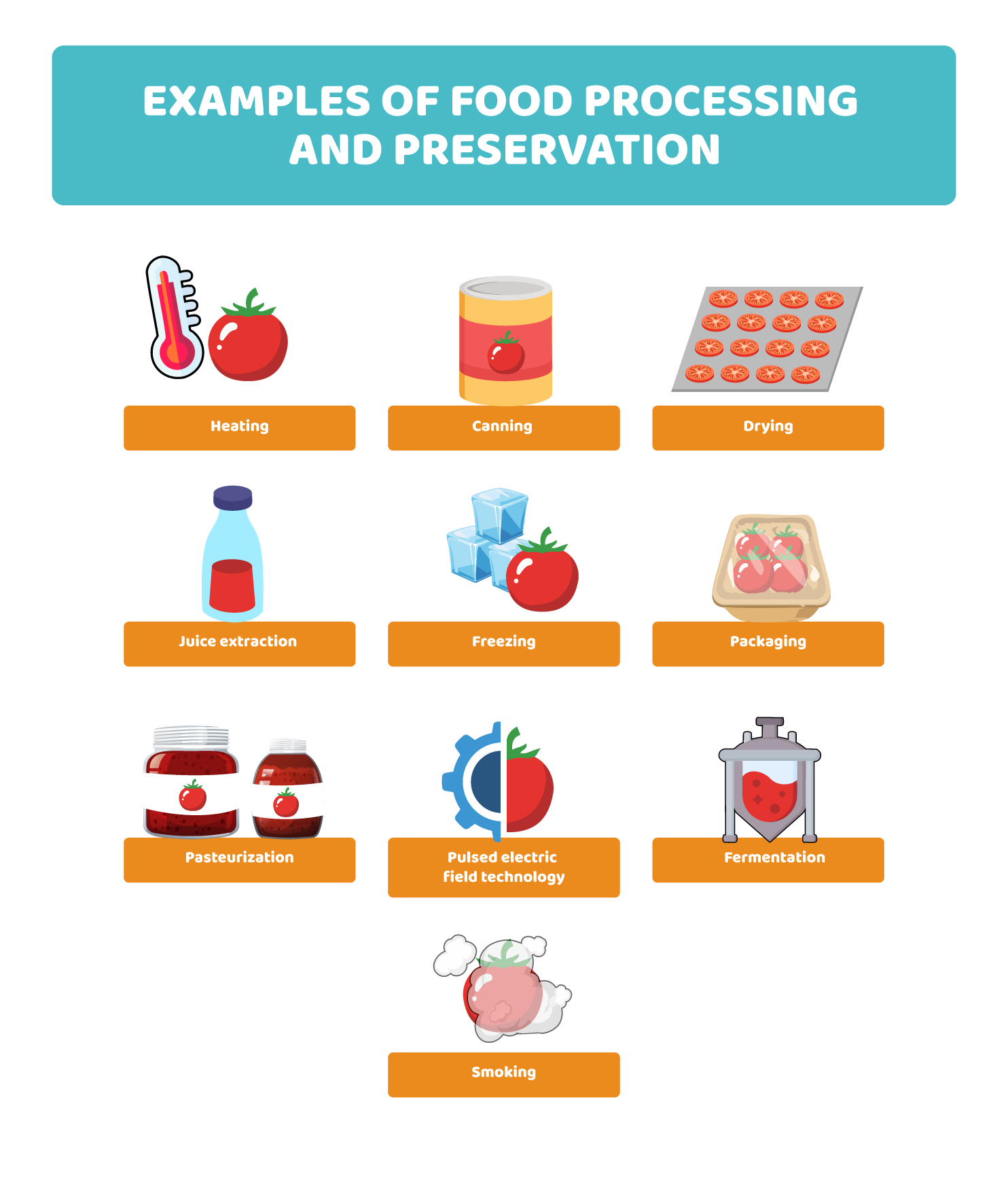
After production, many foods go through the processing industry. Not all processing is bad; in fact, many of the foods we consider ‘healthy’ are processed in a beneficial way.
Positive processing
- milk pasteurisation
- freezing of vegetables
- wholemeal milling
- tinned fish
- fermentation
These processes can increase safety, shelf life and even nutritional value (as in yoghurt or frozen vegetables).
Harmful processing
The problem arises with ultra-processed foods (UP), which use:
- cosmetic additives,
- artificial flavourings,
- hydrogenated fats,
- sugar syrups.
These are industrial formulations designed to be highly palatable but low in nutrients.
Understanding this stage is essential for assessing food quality.
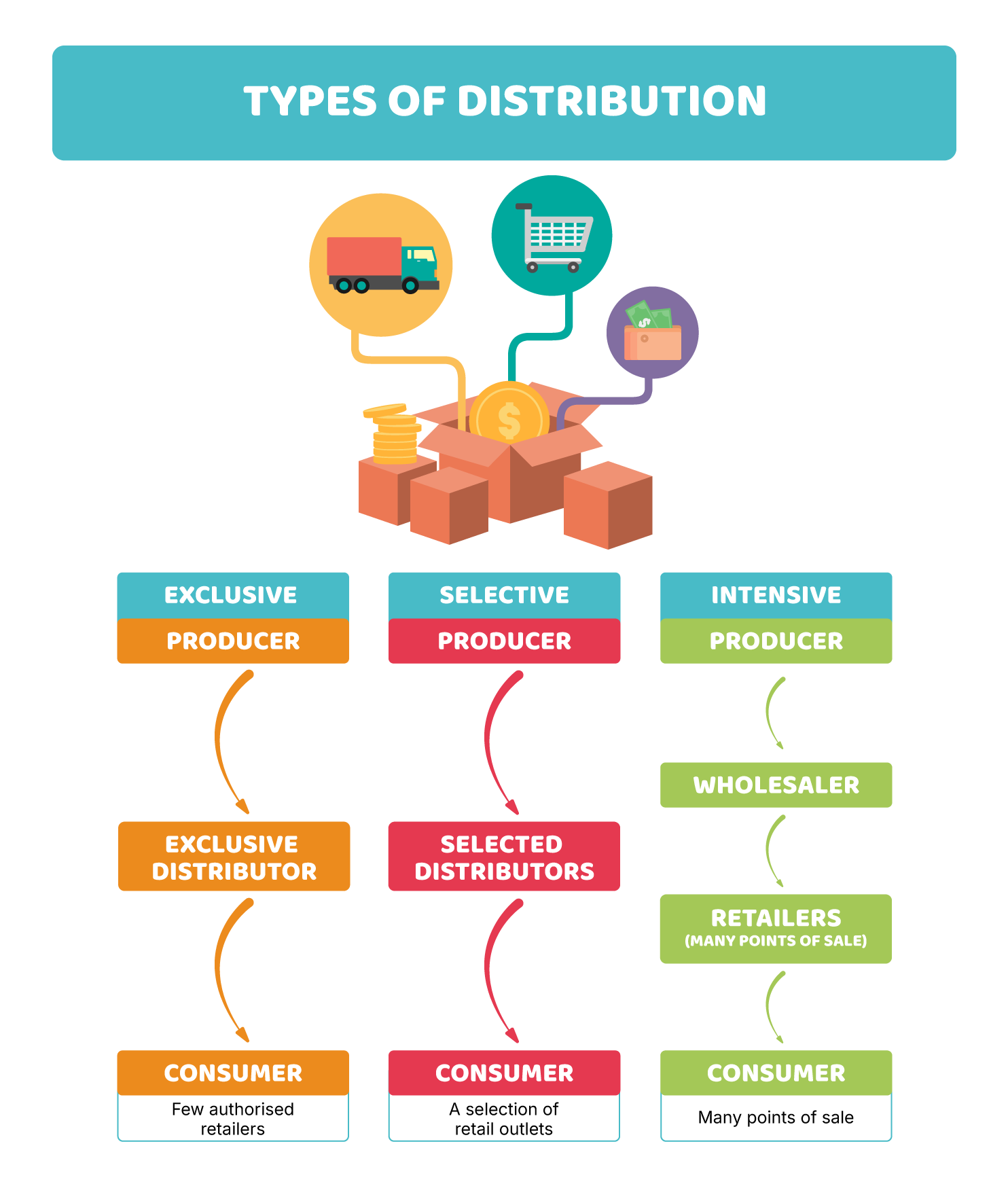
When food arrives at the supermarket, it goes through:
- strategic brand positioning,
- special offers,
- eye-catching labelling,
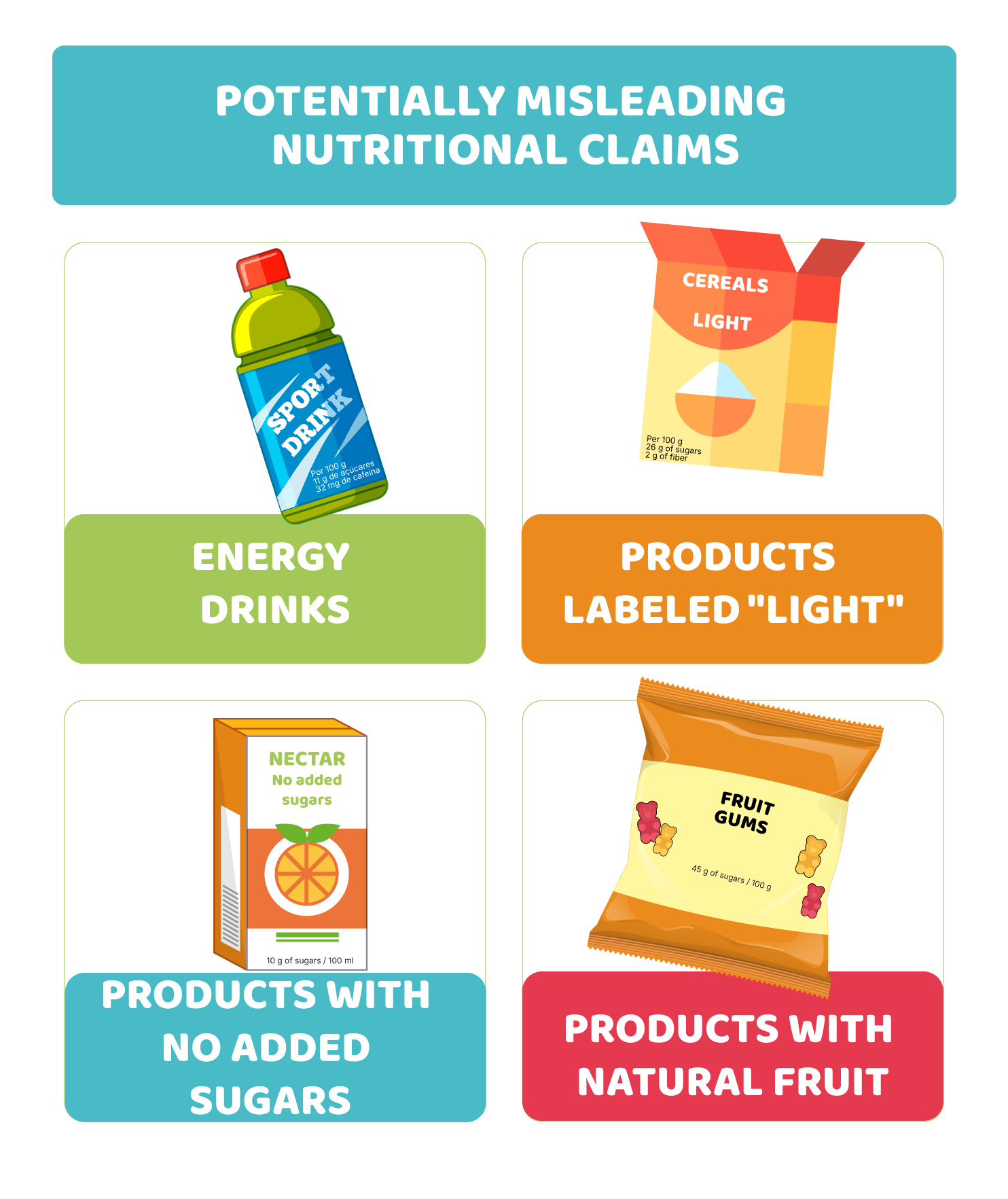
- nutritional claims,
All designed to influence decisions.
At this age, it is important to develop critical thinking about food. The foods most prominently displayed on the shelves or in adverts are not necessarily the most nutritious. Packaging that looks ‘healthy’ may, in reality, conceal ultra-processed foods. We also need to be wary of certain claims, such as ‘high in fibre’ or ‘zero sugar’, which may be partly true but can also be misleading if we do not look at the rest of the product’s ingredients.
Furthermore, price does not necessarily reflect nutritional value: a more expensive food is not, by definition, healthier. This is where food literacy comes in – the ability to read, interpret and question the available information – which helps to ‘debunk’ these strategies and make more informed choices.
The distance between the field and the plate has changed significantly in recent decades. Today, food may come from another country, another continent or, in some cases, from just a few kilometres away, when we talk about short supply chains.
The greater the distance food travels, the more energy is required to transport it, the larger its carbon footprint, the greater the need for packaging, and the longer it takes to reach the consumer – which, in some cases, can also mean fewer nutrients, particularly in highly perishable foods.
However, ‘local’ is not always automatically better. It all depends on the type of production, seasonality and logistical efficiency. A food produced locally, but using unsustainable practices, may have a greater environmental impact than another produced further away, but using more efficient farming or transport methods.
Once consumed, the food continues on its journey:
- food scraps,
- packaging,
- recycling,
- composting,
- urban waste management.
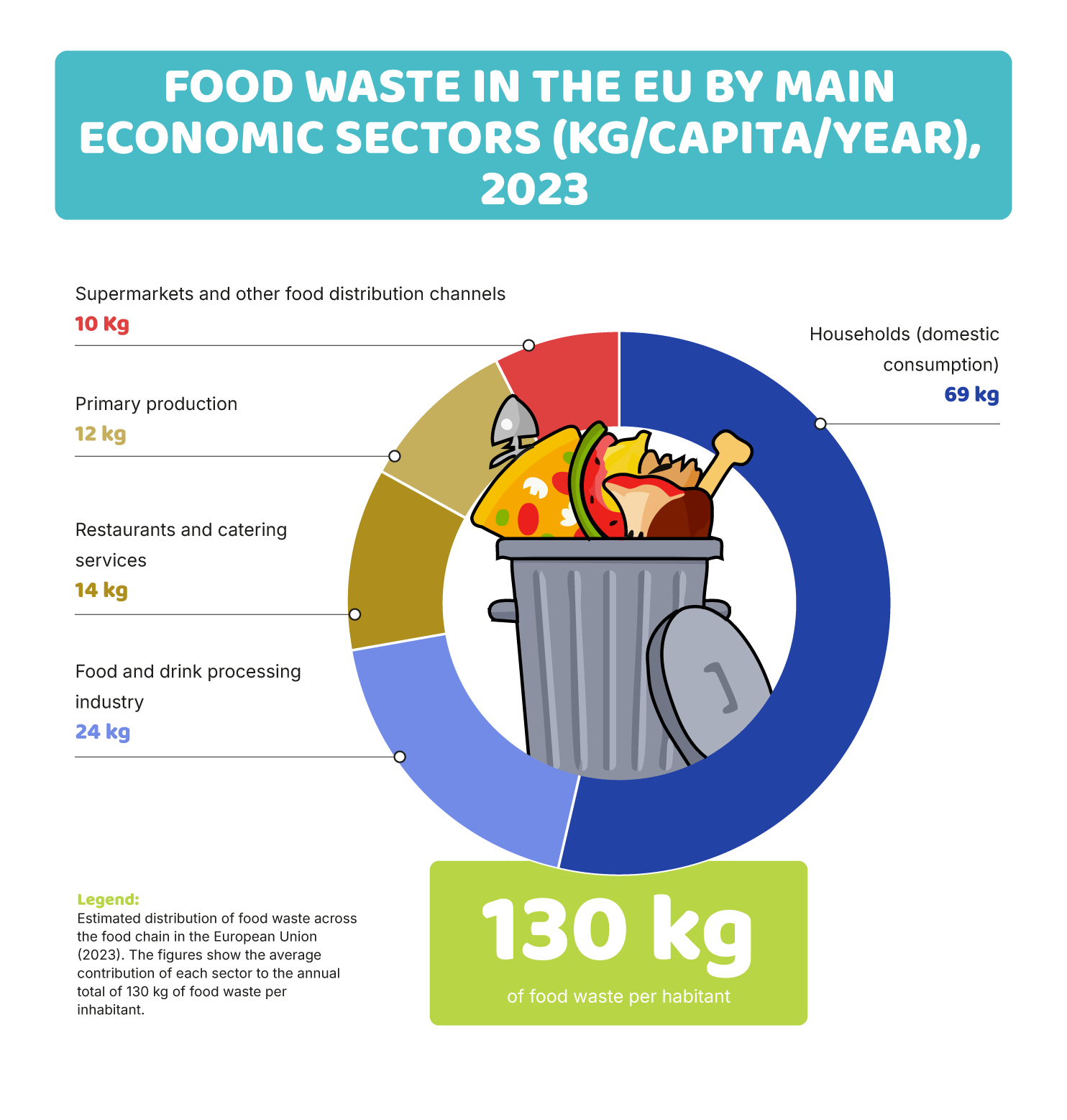
Around one-third of all the food produced worldwide is wasted.
Food waste: what it is and why it happens
Food waste occurs when food that is perfectly fit for consumption is thrown away. Whenever this happens, all the resources used to produce it – energy, soil, water, fertilisers, labour and transport – are wasted. Furthermore, when food ends up in the bin or in landfill, it eventually releases greenhouse gases, contributing to climate change.
This waste can occur at various stages of the food chain. During production, some food spoils before harvest or during transport. During processing, many products are rejected because they do not meet size or shape standards. In distribution and retail, food nearing its use-by date may not be sold. In restaurants and canteens, portions that are too large or uneaten leftovers contribute to waste. Finally, at home, it is common for food to be thrown away due to over-purchasing, incorrect storage or poor management of use-by dates.
How to reduce food waste
There are several simple ways to reduce food waste in your day-to-day life. One of the most important is planning your meals before you go shopping, making a list and sticking to it to avoid buying more than you need. Storing food correctly and understanding the dates on the labels also helps: “Use by” refers to safety and should not be exceeded; whereas “Best before” merely indicates a gradual loss of quality, and the food can still be eaten if it looks, smells and tastes fine.
Another effective way to avoid waste is to use leftovers to create new meals or freeze them for another day. In some cases, food that is no longer fit for human consumption can be repurposed, turning it into animal feed, organic fertiliser or biogas. This type of reuse and recycling reduces the volume of waste sent to landfill.
The role of the community
In many places, organisations collect surplus food from shops, markets and restaurants and distribute it to charities. These initiatives help prevent food that is still safe and nutritious from being wasted and help to support individuals and families in need.
Your role as a young consumer
If you’re aged 15–17, you already have the power to make decisions:
- choose snacks and drinks
- chooses meals eaten away from home
- influences family shopping
- you vote with your money
- you have a say on environmental issues
- you influence your peers
Every purchase is a micro-decision that has an impact on the food system.
You might ask yourself:
- Where does this food come from?
- Was it produced sustainably?
- Do you really need to travel 2,000 km?
- Is it ultra-processed?
- Are there any local or seasonal alternatives?
- Does it follow the principles of the Mediterranean diet?
Eating is a biological, cultural, social and also political act.
When you buy a packet of food, look for three things:
1. Where was it produced?
2. How many ingredients does it contain?
3. Is it minimally processed or ultra-processed?
If the answers are ‘close’, ‘few’ and ‘natural’, you’ve made a good choice.
FOODWISELab challenge

Understand the journey of food from production to your plate, identifying the stages of processing, transport and environmental impact, and reflect on alternatives with a smaller ecological footprint.