
The role of diet in growth, metabolism and health throughout life
Between the ages of 15 and 17, your body is going through one of the most transformative phases since childhood. You grow taller, gain muscle mass, your body composition changes, your cognitive abilities develop, and your eating habits begin to take shape. Contrary to popular belief, these changes do not happen ‘by themselves’: they depend heavily on the quality of your diet, your energy levels, your sleep and your hormonal balance.
At this stage, food is not just for ‘staving off hunger’: it provides the raw materials and energy for the body to complete its growth, stabilise its metabolism and lay the foundations for future health. Everything you do now will have an impact when you’re 20, 30, 40 and beyond.
Growth: the body is a work in progress, every day
During adolescence, the body is developing rapidly and building the fundamental structures needed for adult life. At this stage, denser bones, stronger muscles, nerve tissue, blood and iron stores are formed, as well as new neural connections essential for learning and thinking.
For all this to happen in a healthy way, the body needs sufficient energy, high-quality protein, and minerals and vitamins such as calcium, vitamin D, phosphorus and magnesium. Iron is particularly important, especially for girls, due to menstrual blood loss. Omega-3 fatty acids also play a crucial role, contributing to brain development and the proper functioning of nerve cells.
Even small, prolonged deficiencies in energy, iron or calcium can affect growth, mood, daily energy levels, the ability to concentrate and even future health.
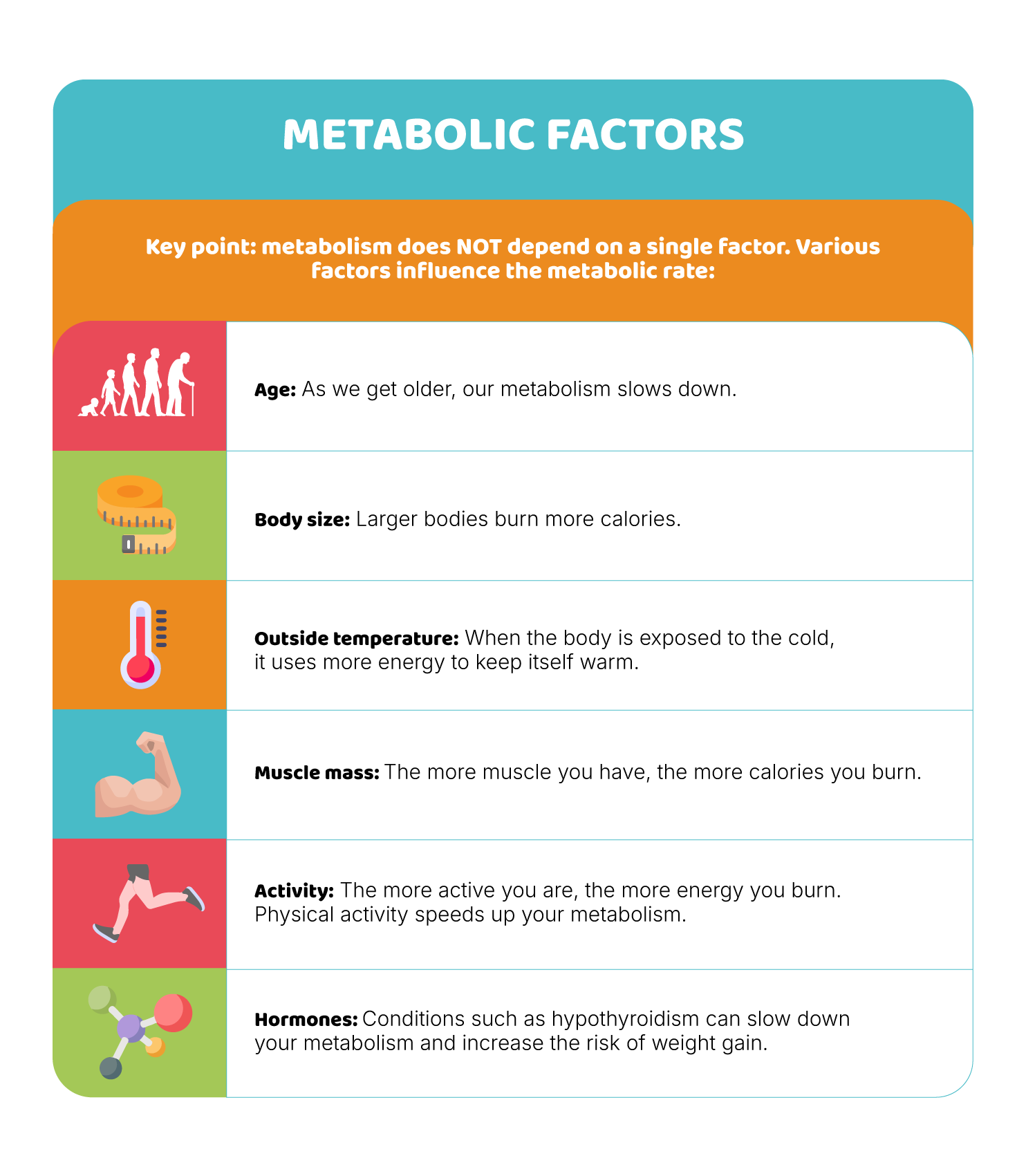
Metabolism is not simply a matter of being ‘fast or slow’: it is a series of chemical reactions that convert food into energy, structures and essential molecules.
Factors that influence metabolism at this age:
a) Muscle mass
The more muscle mass you have, the more energy you burn even at rest.
b) Puberty hormones
Testosterone and oestrogen alter fat distribution, protein synthesis and insulin sensitivity.
c) Circadian rhythm
Irregular schedules, eating late at night and lack of sleep negatively affect the way the body uses energy.
d) Food quality
Ultra-processed foods ‘trick’ satiety signals and overload the metabolism; minimally processed foods improve energy regulation.
A varied and well-organised diet helps the metabolism to function efficiently, reducing fluctuations in energy levels and hunger.
Until around the age of 25, the brain continues to develop and refine:
- please note
- memory
- decision-making
- emotional control
- ability to plan and learn
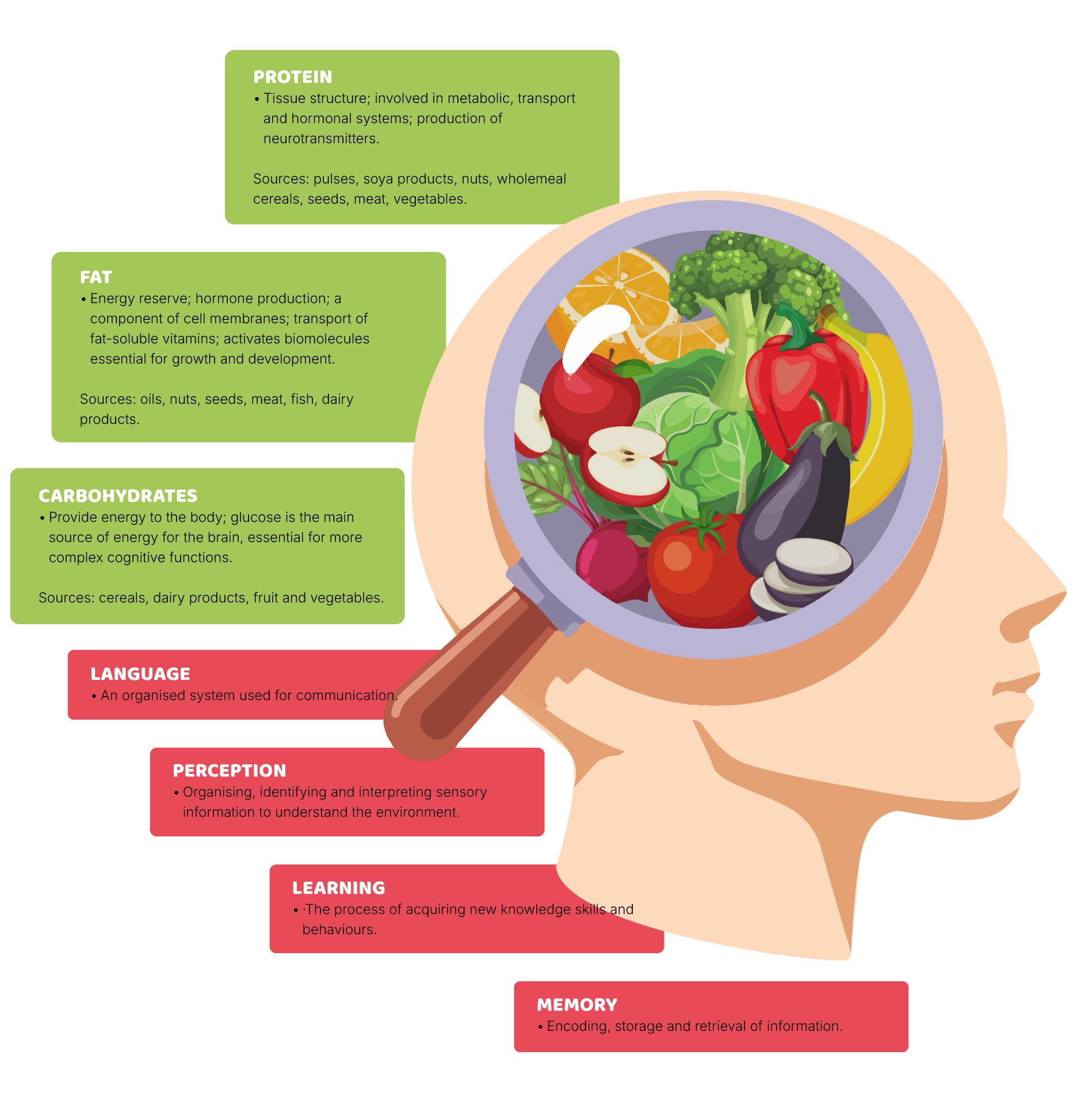
This process requires a constant supply of energy, specific micronutrients and high-quality fat.
Particularly important nutrients:
- Omega-3 (DHA): important for synapses and learning
- Iron and zinc: essential for neurotransmitters
- B-complex vitamins: reduce mental fatigue
- Slow-release glucose: provides the brain with a steady supply of energy
Poor, irregular or ultra-processed diets can impair concentration, mood and academic performance.
Adolescence involves significant hormonal changes, which affect:
- humour
- acne
- menstrual cycle
- body composition
- energy
- hunger and satiety
Foods that support hormonal balance:
- a variety of fruit and vegetables
- green leafy vegetables (a source of folate and magnesium)
- pulses
- wholemeal cereals
- big fish
- nuts and seeds
- olive oil
Foods that can cause imbalances:
- ultra-processed foods high in added sugars
- energy drinks
- products containing trans fats
- frequent fast food
Bone health: your ‘calcium bank’ is built now
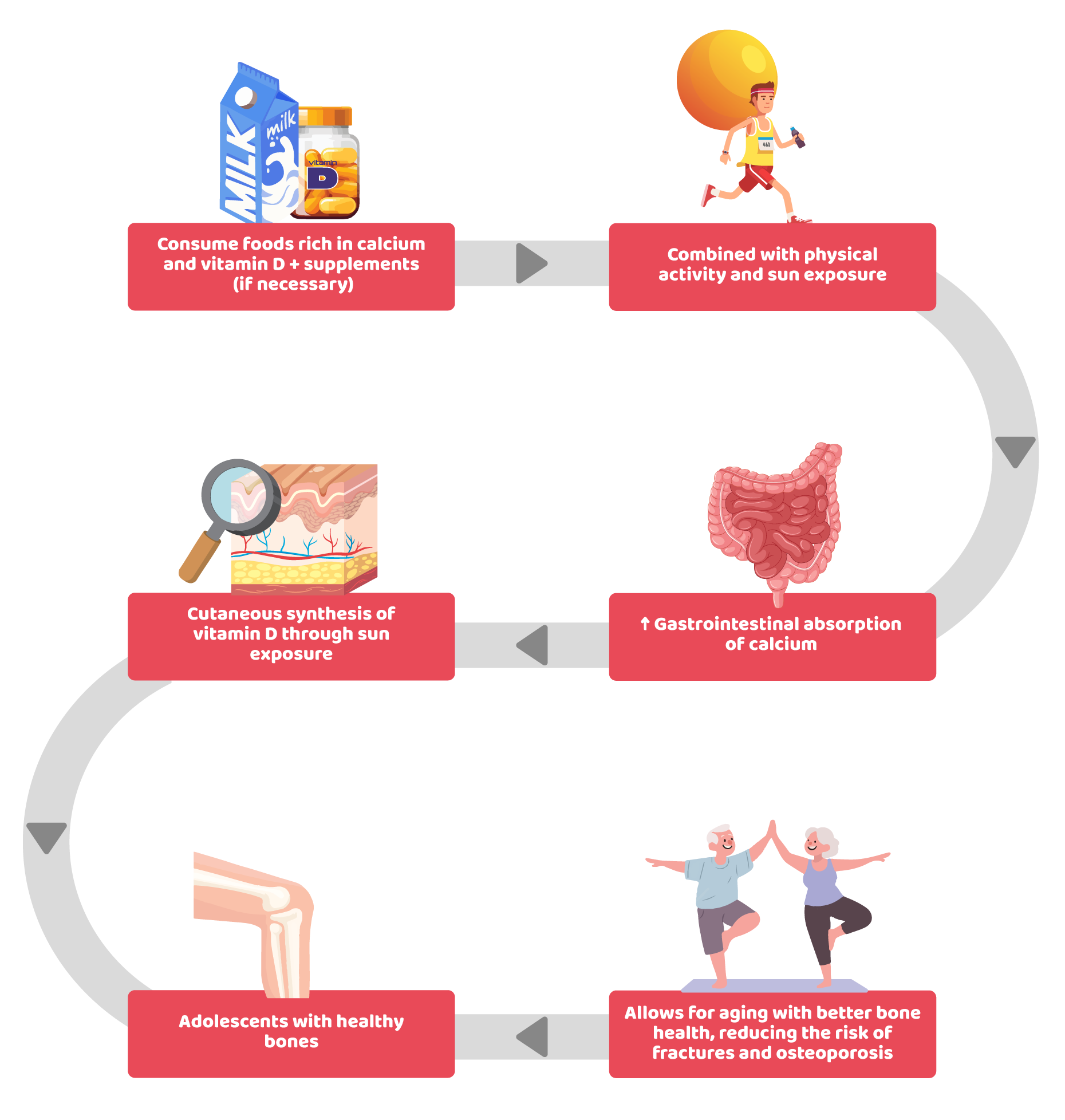
By the age of 18–20, you reach your peak bone mass, i.e. your maximum potential bone density.
Key facts:
- 90 per cent of adult bone mass is formed during adolescence.
- What you don’t build now, you won’t be able to make up for later.
Essential nutrients:
- Calcium (yoghurt, milk, cheese, dark green vegetables, almonds, pulses)
- Vitamin D (sunlight, eggs, oily fish)
- Protein
- Magnesium and zinc
- Physical activity (moderate impact → stronger bones)
Very restrictive diets increase the risk of low bone mass, cause fatigue and raise the future risk of osteoporosis.
Long-term health: repeated choices shape the future
Science shows that stable eating patterns during adolescence predict eating patterns in adulthood.
The choices you make now influence your future risk of:
- obesity
- type 2 diabetes
- cardiovascular disease
- inflammatory disease
- depression
- nutritional deficiencies
- metabolic syndrome
But the good news is: positive habits formed at this stage are among the most enduring.
Making a balanced diet easier: practical strategies
When you’re short on time:
- She puts together “snack packs” at the start of the week: fruit + nuts + yoghurt
- prepares staple foods (such as rice, pasta and lentils) for use in various dishes
- offers simple, quick options: eggs, soup, nutritious sandwiches
When you eat out:
- Choose options with vegetables
- avoid eating fried food too often
- ask for water instead of fizzy drinks
- Look for simple proteins + complex carbohydrates
During periods of stress (exams, competitions):
- enriches foods rich in iron, omega-3 and B vitamins
- avoid relying on caffeine as a meal replacement
- runs on a more or less regular timetable

Don’t compare yourself to others. Everyone grows at a different pace, has different energy needs and their own metabolic responses.
The important thing is to understand what your body needs and to build consistent habits, not perfect ones.
FOODWISElab challenge

Understand how diet, sleep and exercise affect your energy levels throughout a school day, helping you to spot patterns and make simple adjustments to improve your wellbeing.