
Seasonality, origin and sustainability in our daily choices
Choosing what to eat is not just a nutritional decision; it is also a choice with environmental, economic, cultural and social implications. At the age of 15–17, you are able to understand more complex concepts relating to the origin of food, seasonality, supply chains and sustainability. This understanding helps you make responsible choices, without resorting to oversimplifications.
What does ‘eating seasonally’ mean?
Seasonality means eating food at the time of year when it grows naturally.
When food is eaten in season:
- have a better taste and texture
- they are more nutritious (shorter shelf life)
- require less energy and fewer chemicals in production
- have a smaller environmental footprint
- they are generally cheaper
Simple examples:
- spring: strawberries, peas, asparagus
- summer: tomatoes, cucumbers, watermelon
- autumn: pumpkins, chestnuts, mushrooms
- winter: cabbages, citrus fruits, sweet potatoes
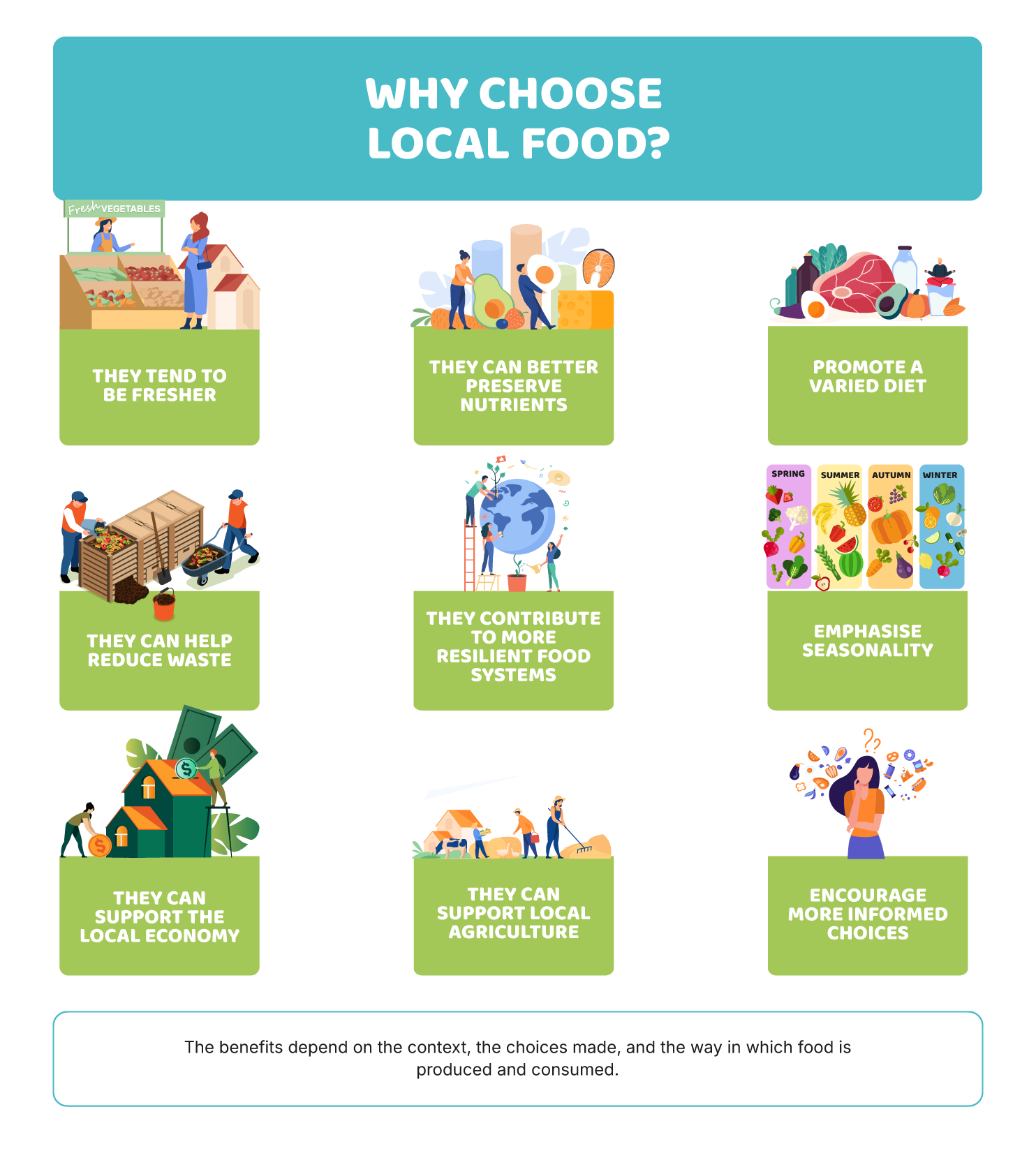
‘Local’ is not always automatically better. It depends on the food, the production method and even the transport.
a) Local food
Advantages:
- less transport
- support for the regional economy
- fresher
Limitations:
- are not always produced sustainably
- less diversity available in certain regions
- higher prices for some products
b) Domestic food products
These generally have a moderate environmental footprint, good production and quality controls, and strike a balance between:
- price
- freshness
- sustainability
c) Imported foodstuffs
They do not always have a high carbon footprint. E.g.: bananas and coffee are produced efficiently.
But it is important:
- check the country of origin
- consider production methods
- avoid fruit or vegetables transported by air (very high carbon footprint)
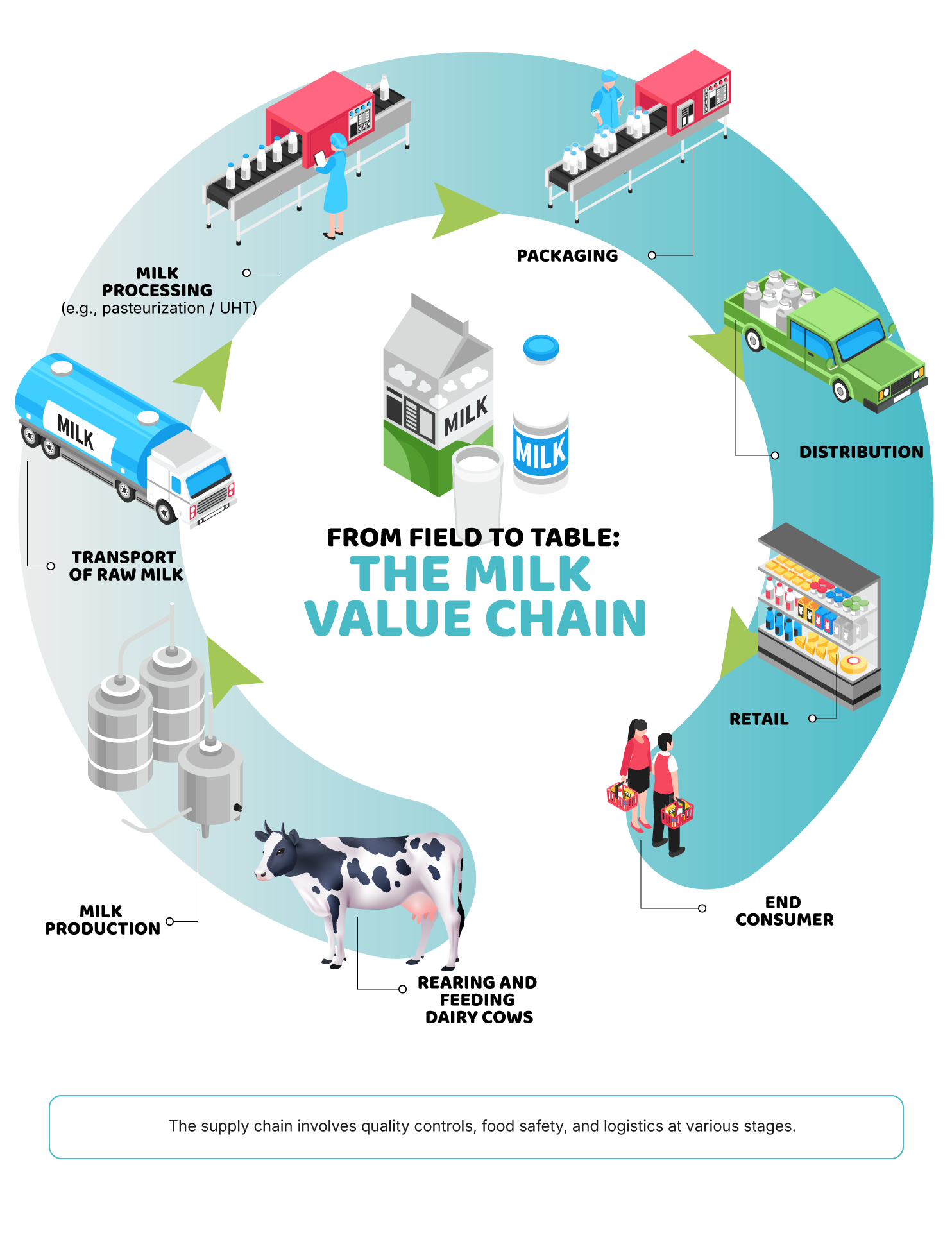
The concept of ‘food miles’ measures the distance travelled by food. But transport is only part of the equation.
To assess environmental impact, it is necessary to consider the full life cycle (LCA):
- production
- solo use
- water
- fertilisers
- processing
- packaging
- transport
- conservation
- waste
A locally produced food item grown using intensive farming methods may have a greater impact than an imported one produced sustainably.

The Mediterranean diet promotes:
- plant-based foods in the centre of the plate
- olive oil as the main source of fat
- regular consumption of pulses, whole grains, fruit and vegetables
- use of seasonal and regional produce
- fish from controlled catches
- meat in moderation
- local cuisine and respect for the local area
It is the balance between:
- flavour
- tradition
- nutrition
- environmental sustainability
How can we make sustainable choices in our day-to-day lives?
Not a supermarket
- Check the origin of the products.
- Buy seasonal fruit and vegetables.
- Use frozen ones when the fresh ones are imported.
- Choose Portuguese olive oil.
- Compare environmental labelling (where available).
- Avoid excessive packaging.
In local markets
- Ask the grower about cultivation methods.
- Buy only what you need.
- It explores regional varieties (biodiversity).
In local markets
- Plan your meals to avoid waste.
- Combine fresh and frozen products to balance cost and environmental impact.
- Prioritise plant-based foods.
Practical examples
Top choice 1 — strawberries
- Spring: domestic flights: a great option.
- Winter: imported by air: avoid; opt for locally grown kiwis and citrus fruits.
Best choice 2 — fish
- Sardines, mackerel, horse mackerel: low-impact and rich in omega-3.
- Fish from intensive aquaculture: variable impact (find out more).
Best choice 3 — tomatoes
- Summer: a national treat.
- Winter: opt for tinned peeled tomatoes (less environmental impact than those grown in heated greenhouses).

A simple tip: when you see fruit that looks too perfect for the season… it’s almost certainly been transported from far away and has a larger environmental footprint. Choose locally grown, in-season options – they’re better for you and for the planet.
FOODWISELab challenge

To understand the importance of seasonal food for health, the environment and the local economy, whilst learning how to plan more sustainable and mindful meals.