Food choices
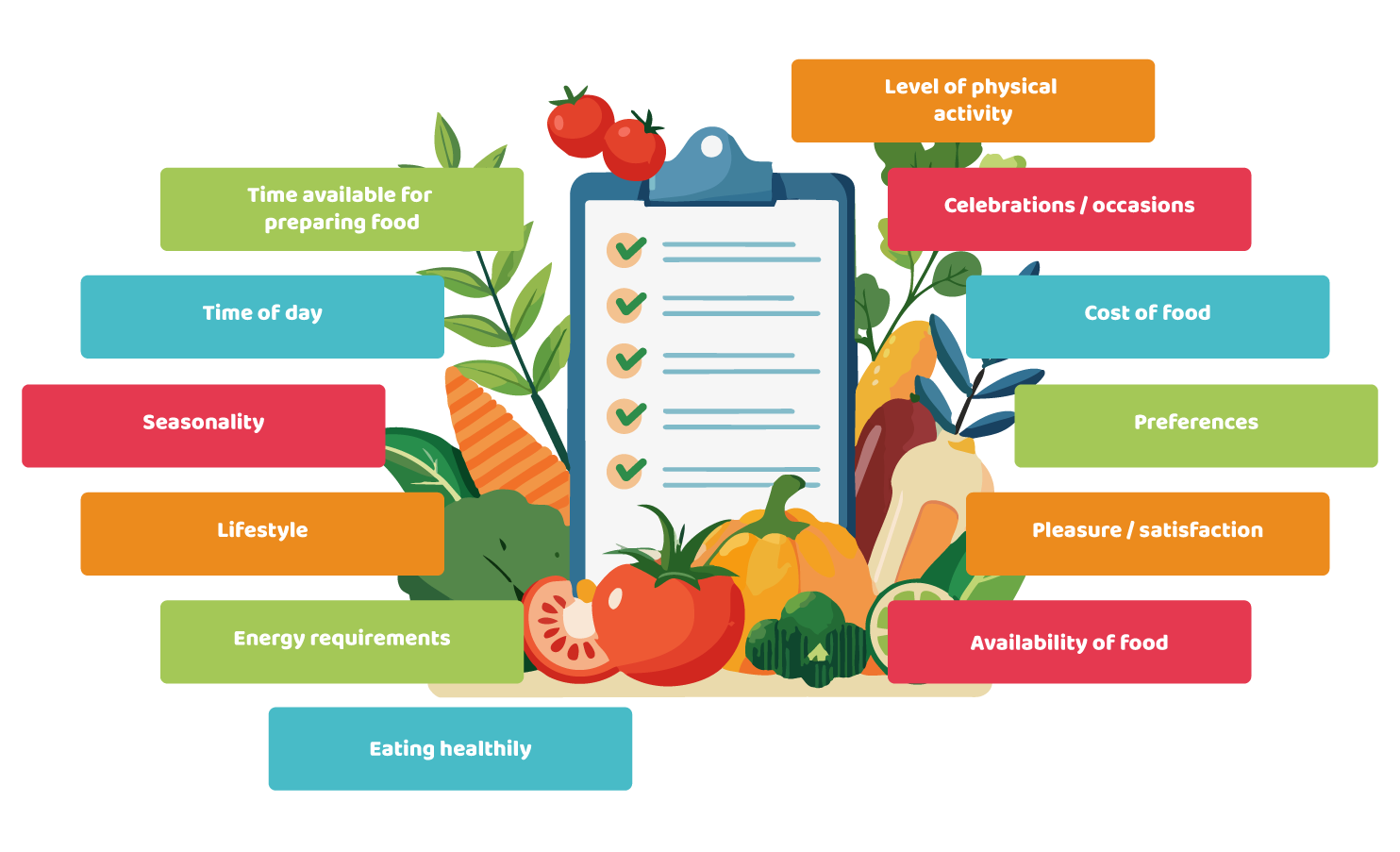
The choices people make regarding the food they buy and eat are influenced by a number of factors.
Personal, social and economic factors
Consumers share many characteristics, but they are also individuals. Food purchasing decisions are influenced by personal characteristics and circumstances, such as:
- age
- personality
- likes and dislikes
- occupation
- available free time
These personality traits tend to change throughout the different stages of life.
Examples:
- A school-age child can quickly eat a packet of snacks or a canteen meal at set times.
- A professional may entertain clients over a long dinner at a restaurant.
- A curious and confident person might take an interest in food trends and buy unusual ingredients to try out new recipes.
Factors influencing food choices
Social factors
Social factors refer to the influence that other people have on us. For example, we are influenced by friends and by the groups to which we belong, such as churches or sports teams. Many dietary decisions result from social interaction and individual decision-making.
Examples:
- Adults are often loyal to the supermarket their family has always shopped at, or to their parents’ favourite brands.
- A sociable person may eat out regularly or meet friends for coffee, which influences the sort of food they buy and where they buy it.
Religious and cultural factors
Religious factors can influence the foods a person chooses and the way they are prepared. Religious beliefs can determine which foods must or must not be eaten.
Examples:
- Islam: defines which foods are permitted (halal) and prohibits pork. Permitted meats must be slaughtered in accordance with halal methods.
- Judaism: Permitted foods are classified as kosher; for example, meat and dairy products must not be cooked or eaten together.
Culture
Culture includes the beliefs, customs and behaviours shared by a group. Cultural factors determine:
- what a group eats
- as a kitchen
- where they eat
- who they eat with
- the value attached to the act of eating
Economic factors
Economic factors have a major influence on purchasing decisions.
- During periods of economic growth, when wages rise and credit is readily available, people shop more frequently and on impulse.
- In times of economic hardship, people become more focused and cautious before spending on non-essential items.
Disposable income (the money left over after tax) determines:
- the amount of food people can buy
- the variety of affordable foods
- how often they can eat out
Consumers with higher disposable incomes have access to a wider range of food and may choose to eat out more often.
Ethical and environmental factors
Some consumers prioritise ethical and environmental factors when choosing food. They are concerned about the wellbeing of the people, animals and communities involved in food production.
For example:
- Animal welfare can influence purchasing decisions; some consumers choose eggs from free-range hens rather than eggs from caged hens.
- There are also those who choose locally produced or sustainably produced food.
Environmental responsibility
Everyone has a responsibility towards the environment when choosing food.
Important questions include:
- Does the production process use a lot of resources or energy?
- Can the packaging be recycled?
- What is the environmental impact of food transport (food miles)?
- Was the food produced using sustainable practices?
Examples:
- Choose locally grown food to reduce your carbon footprint.
- Buy organic food and avoid synthetic fertilisers or pesticides.
Health issues
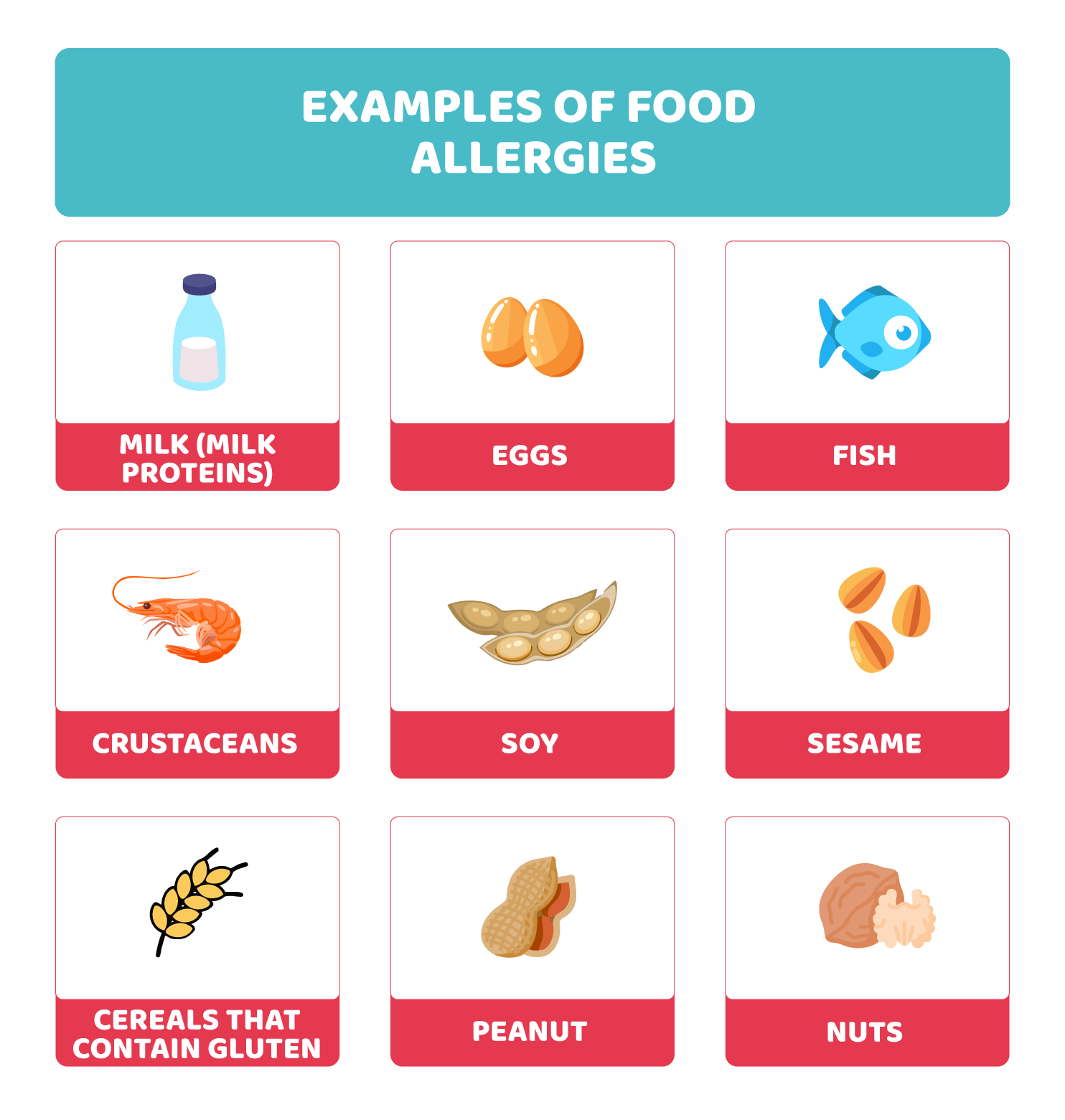
Some people avoid certain foods due to health issues, intolerances, allergies or illnesses.
Examples:
- People with lactose intolerance cannot consume dairy products and must obtain calcium from alternative sources.
- Consumers with high cholesterol should avoid foods high in saturated fat.
- Health-conscious consumers are looking for foods that reduce the risk of cardiovascular disease.
Although many consumers know that healthy food is important, not everyone places the same value on it when buying food.

Making better choices in everyday life
Before you buy, ask yourself these 3 quick questions:
1. Where does it come from? (origin, local or imported)
2. What’s in it? (a short, recognisable list of ingredients)
3. Do I really need this right now? (genuine hunger vs. impulse)
If a food passes these three questions, it’s probably a good choice.
FOODWISELab challenge

To realise that choosing food is not a neutral process: it involves personal, social, cultural, economic, ethical, environmental and health factors. To develop critical thinking regarding one’s own food choices.