
Energy and Nutrients: how your body uses, stores and converts energy
Between the ages of 12 and 14, you learnt about the basic functions of nutrients and where food’s energy comes from. Now, we’ll take a closer look at how the body uses, stores and converts this energy, and how you can apply this knowledge to your daily routine.
In late adolescence, your body is becoming stronger, faster and more efficient. Your basal metabolic rate tends to increase, mainly due to growth and an increase in muscle mass. This means that your dietary choices have a direct impact on your mental energy, physical performance, mood and even the quality of your sleep.
How your body turns nutrients into energy
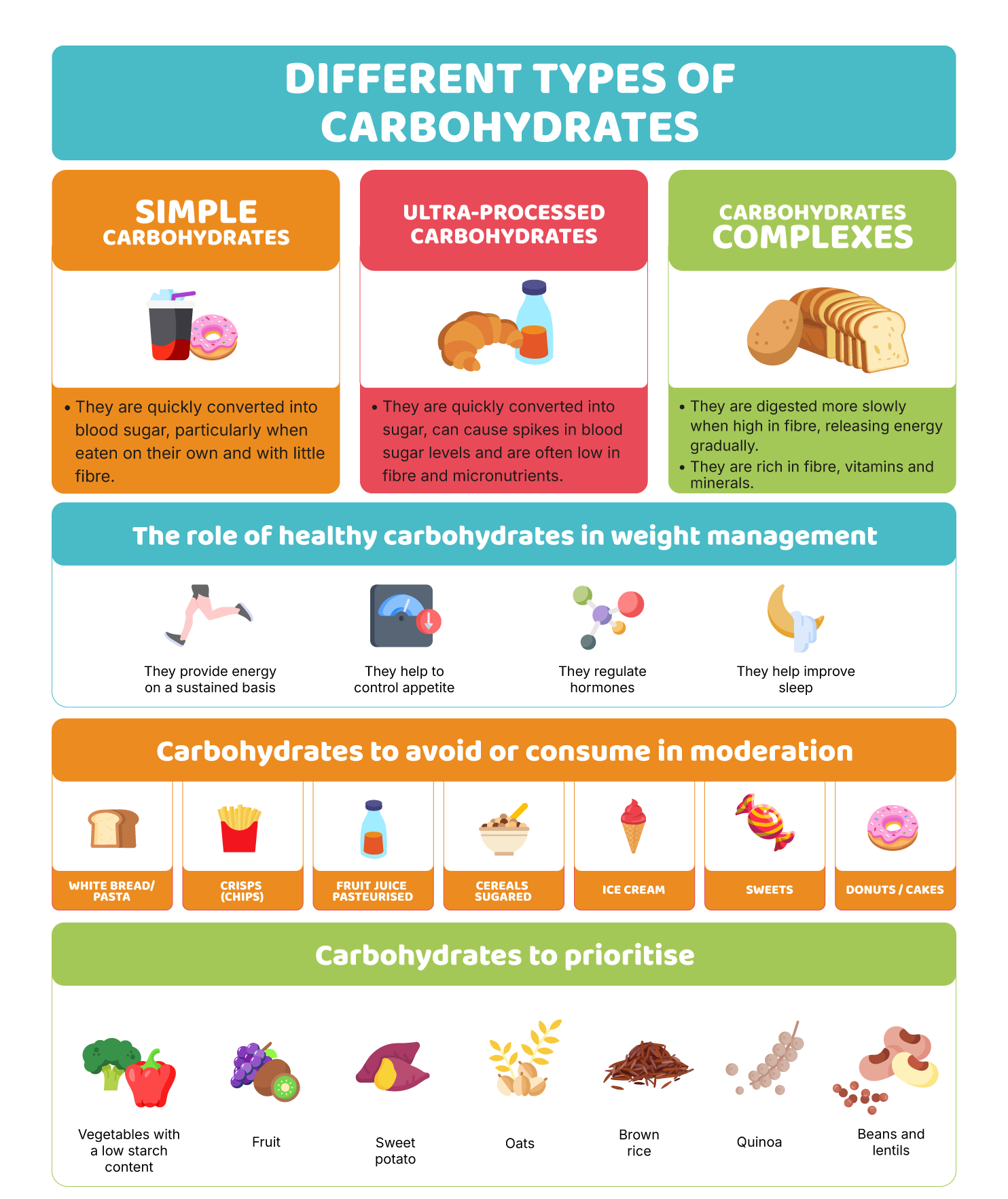
Carbohydrates are converted into glucose, the preferred fuel for the brain and muscles.
- When calorie intake is balanced, energy levels remain stable.
- When there is a surplus, the body stores it first as glycogen and then as fat.
- When simple sugars are consumed frequently on their own, this leads to rapid energy spikes followed by slumps.
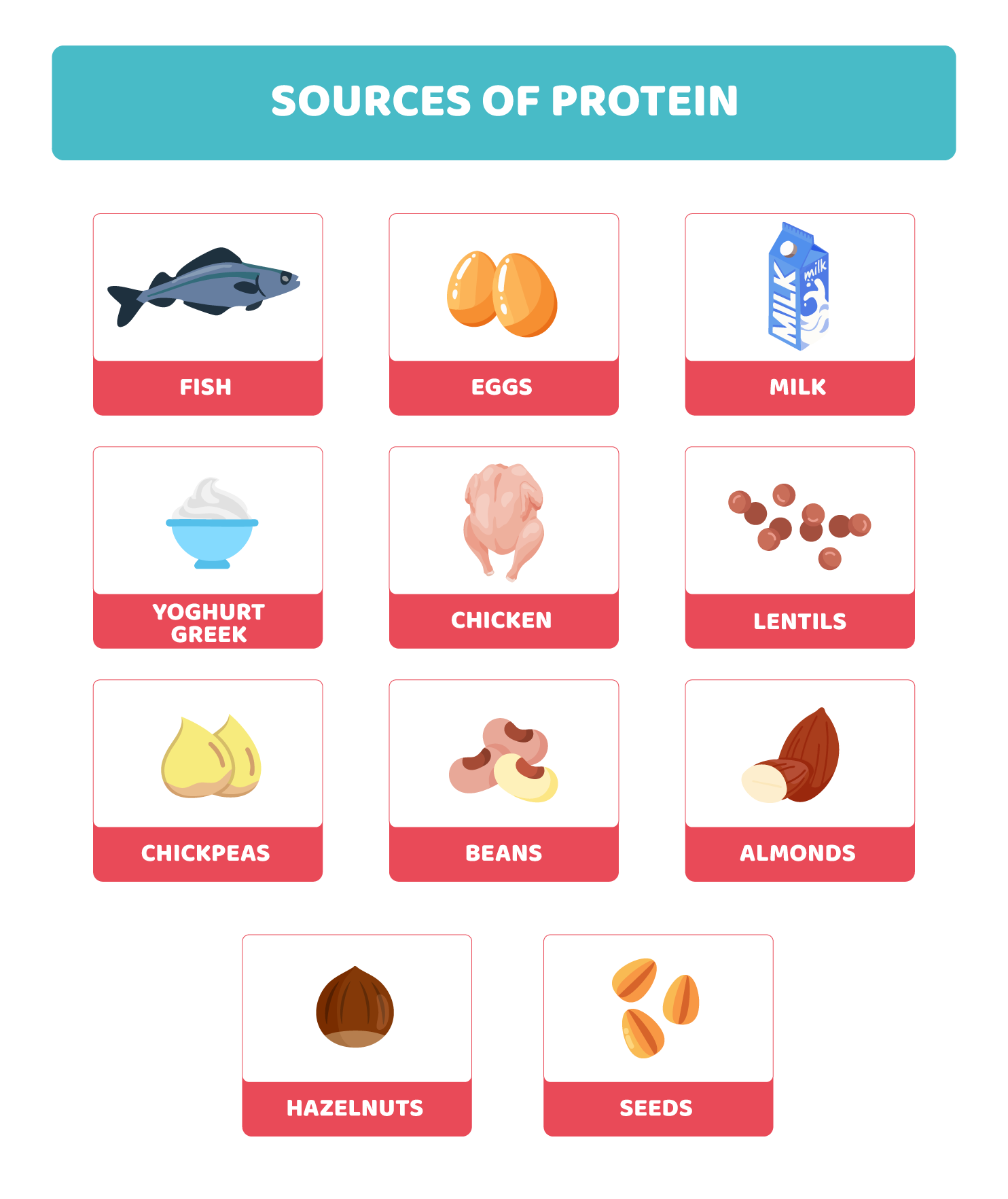
Proteins are broken down into amino acids, which are essential for:
- build muscle,
- to produce hormones and enzymes,
- repair fabrics,
- support the immune system.
Very active teenagers may need more protein, ideally from their normal diet.
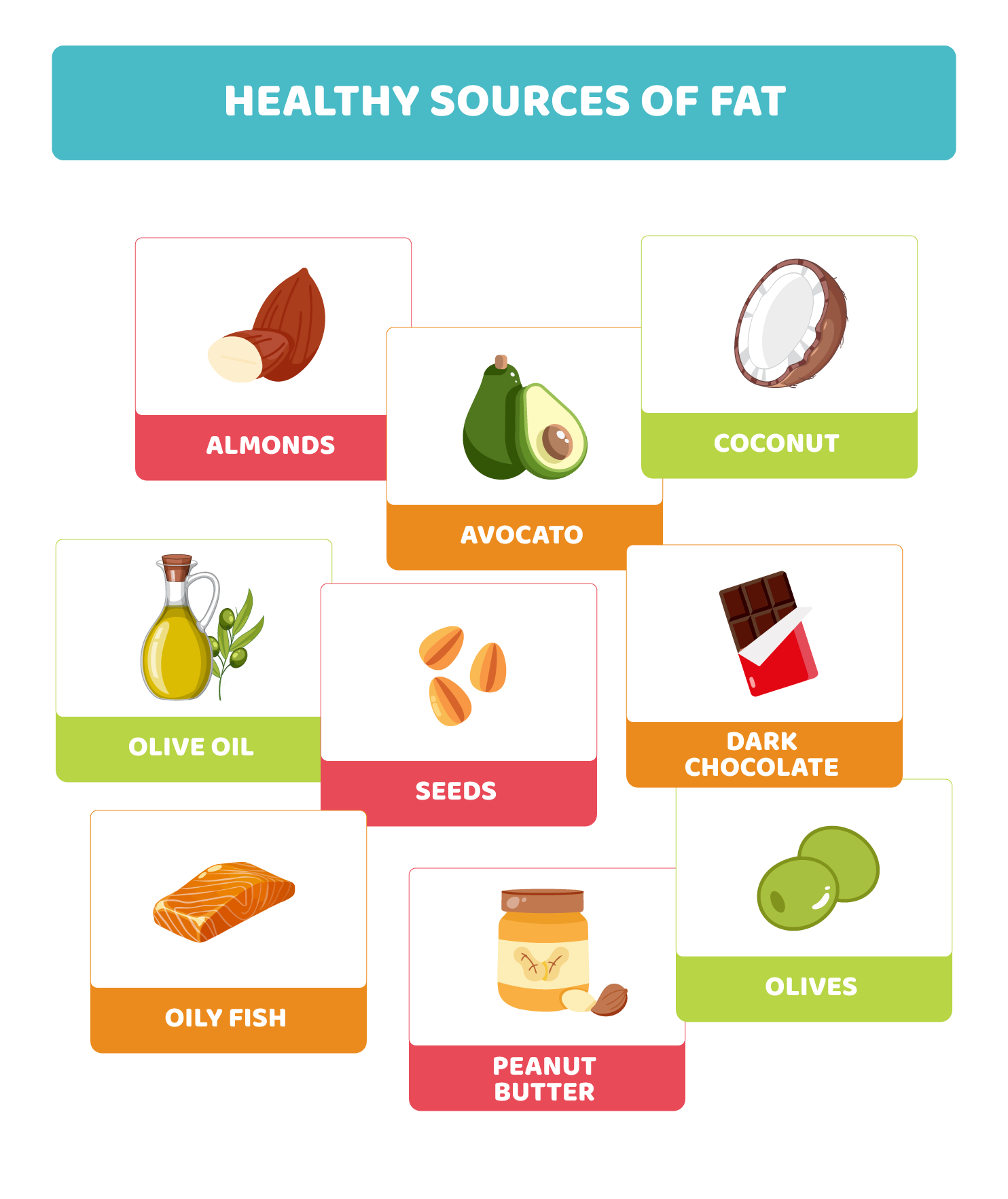
Lipids are the slowest source of energy.
- Unsaturated fats (e.g. olive oil, nuts, fish) protect the heart and brain.
- Excessive consumption of saturated fats (e.g. fried foods, sausages) increases the risk of high cholesterol and the accumulation of body fat.
- Fats also help to transport vitamins A, D, E and K.
Energy, metabolism and daily balance
Energy balance depends on three main factors:
- Basal metabolism (Basal Metabolic Rate – BMR) It is the minimum amount of energy the body uses to survive – for breathing, circulation, maintaining body temperature and brain function. The BMR increases with muscle mass, which grows at this age.
- Physical activity It accounts for the largest proportion of daily energy expenditure in 15–17-year-olds. More training means greater energy and recovery requirements.
- Digestion and absorption The body also uses energy to digest and absorb food. A balanced diet makes this process more efficient.
If you consume more energy than you burn, your body stores fat. If you consume less than you burn, your body uses its reserves. If you strike a balance, you’ll have steady energy and focus throughout the day.
Teenagers need more and better
According to the recommendations for teenagers, this stage requires:
- more protein, to support growth and muscle mass;
- more iron (especially for girls), to prevent anaemia and tiredness;
- more calcium and vitamin D, to reach peak bone mass;
- more B-complex vitamins, which are essential for energy metabolism.
These needs are reflected in diets with a higher energy density and portion sizes appropriate for growth and physical activity.
Always include a source of protein and a source of fibre in your snacks.
This combination prevents spikes in blood sugar, provides sustained energy and improves concentration. Examples:
- yoghurt + fruit;
- nuts + wholemeal bread;
- hummus + vegetable sticks.
FOODWISELAB challenge

To help you understand how your energy levels vary throughout the day and how your dietary choices affect your focus, mood and wellbeing.
Energy from food throughout the day