
From Farm to Fork: how your choices influence food systems, global justice and sustainability
Over the past 12–14 years, you have learnt about the journey food takes from production to your plate: agriculture, transport, packaging and consumption. At this stage, you will understand how the global food system works, who controls it, who benefits and who is left behind, and how your decisions can contribute to fairer, more resilient and sustainable systems.
The food system is like a giant jigsaw puzzle: soil, water, energy, the economy, climate, trade, policy and consumption. Each piece influences the others. And you are one of them.
The global food system: an interconnected giant
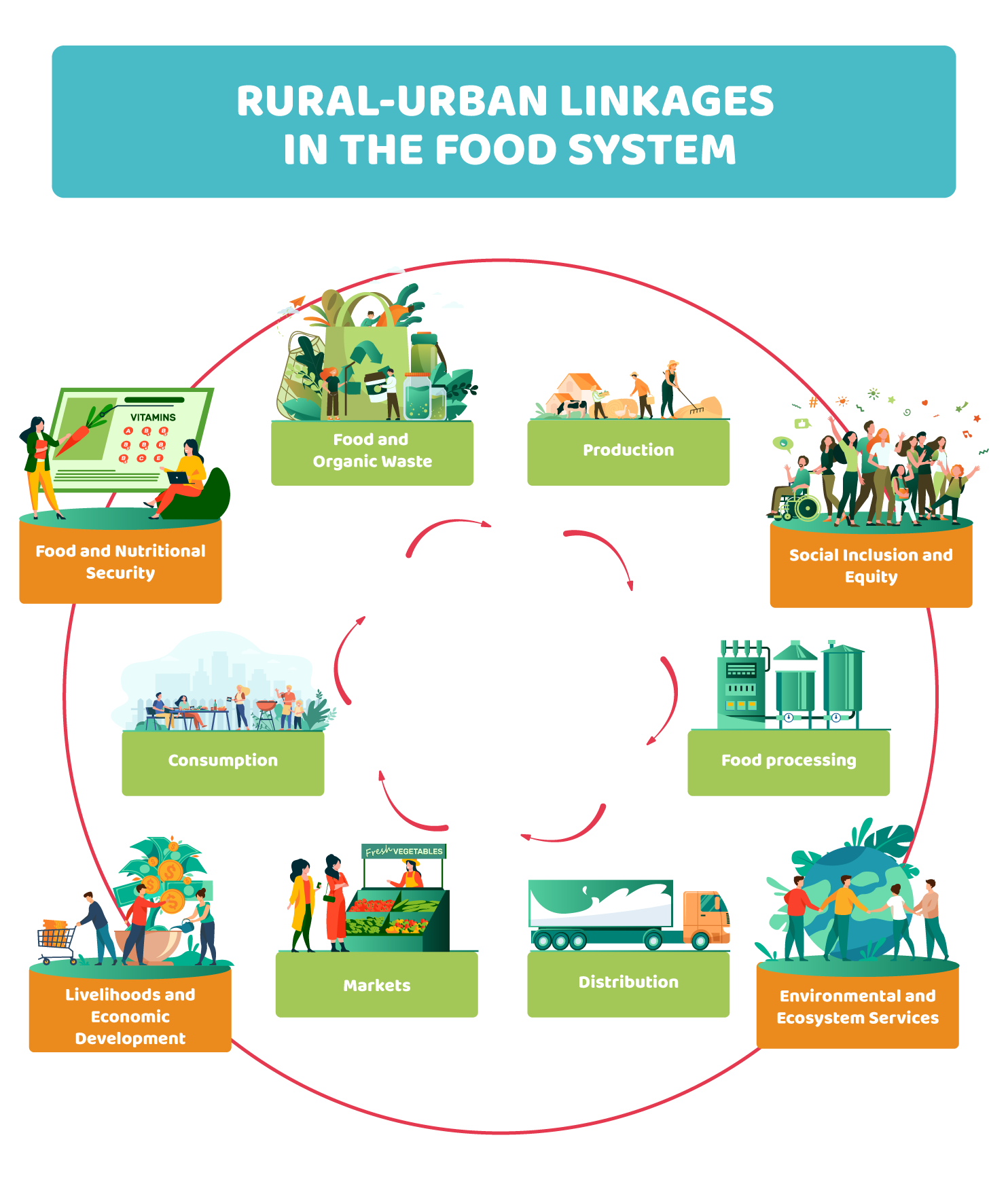
The modern food system is:
- globalised (produced in one country, processed in another, consumed in yet another);
- complex (long chains, many intermediates);
- energy-intensive (transport, refrigeration, packaging);
- vulnerable to crises (climate, war, pandemics, oil prices);
- asymmetrical (some have access, others do not).
Today, just a few companies control a large proportion of global production and distribution. This affects prices, accessibility, waste and opportunities for smallholder farmers.
Food chains: short vs long
Food chains can be:
Short
- producer → consumer
- excluding transport
- smaller carbon footprint
- fairer prices for farmers
- more freshness
Feature films
- producer → factory → distributor → retailer → consumer
- higher energy costs
- more packaging
- more waste
- dependence on international markets
Long supply chains are essential for many products, but short ones strengthen local economies and reduce environmental impacts.
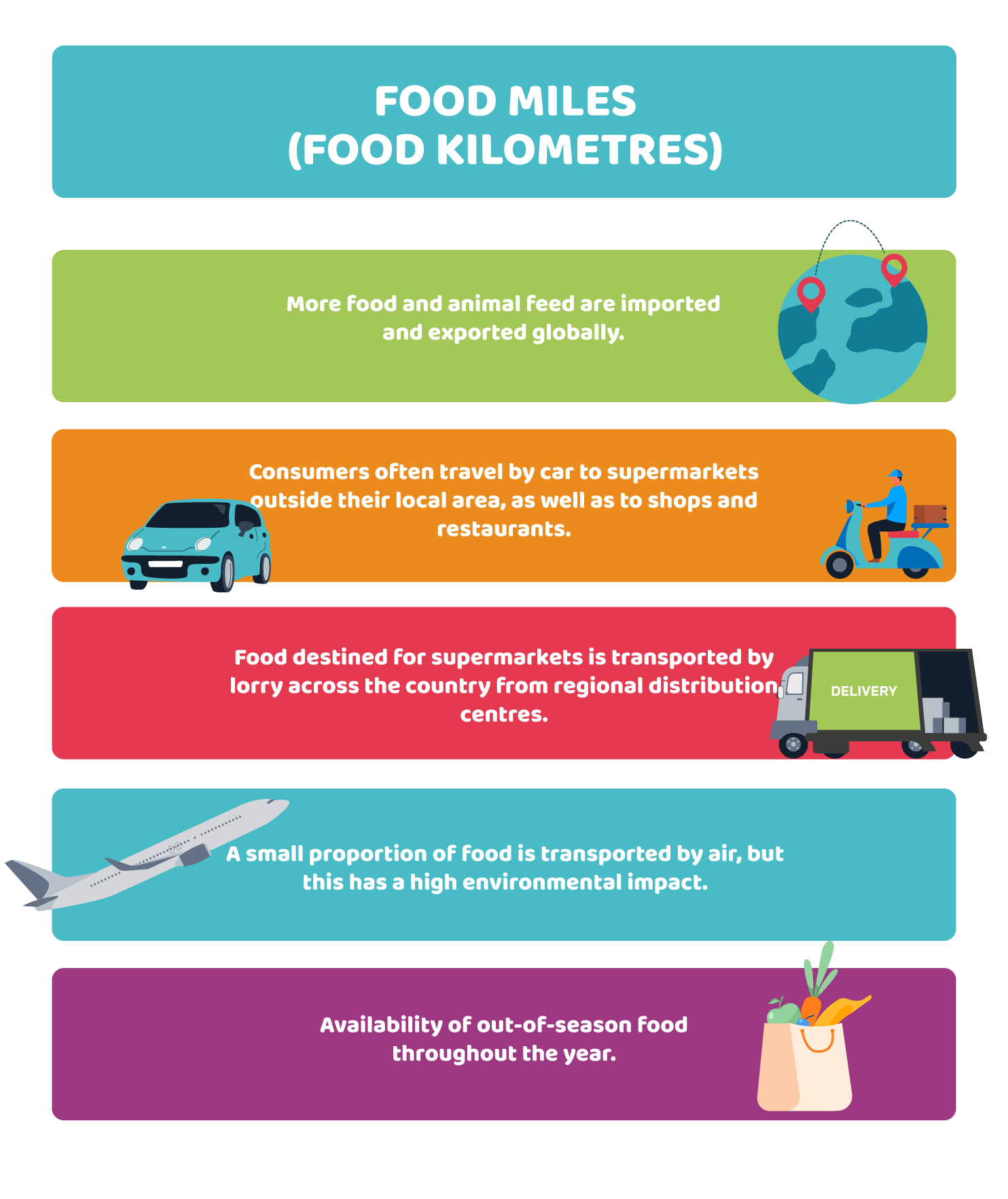
Transporting food requires fuel, refrigeration, packaging and storage, which is why food that travels thousands of kilometres – such as out-of-season fruit, chilled meat or ultra-processed products – tends to have a greater climate impact. However, the type of production often carries more weight than the distance travelled. For example, local tomatoes grown in intensive greenhouses can have a greater environmental impact than field-grown tomatoes produced in another country. What really matters is analysing the entire system, not just the kilometres the food has travelled.
Food miles refer to the distance that food travels from the place of production to the consumer.
Food can be transported by:
- boat
- aeroplane
- lorries
Transport contributes to CO₂ emissions and, consequently, to global warming.
The industry transforms raw foodstuffs into more convenient products. But this involves:
- energy use
- plastic packaging
- additives
- processes that drive up the price and reduce the nutritional value (in many cases)
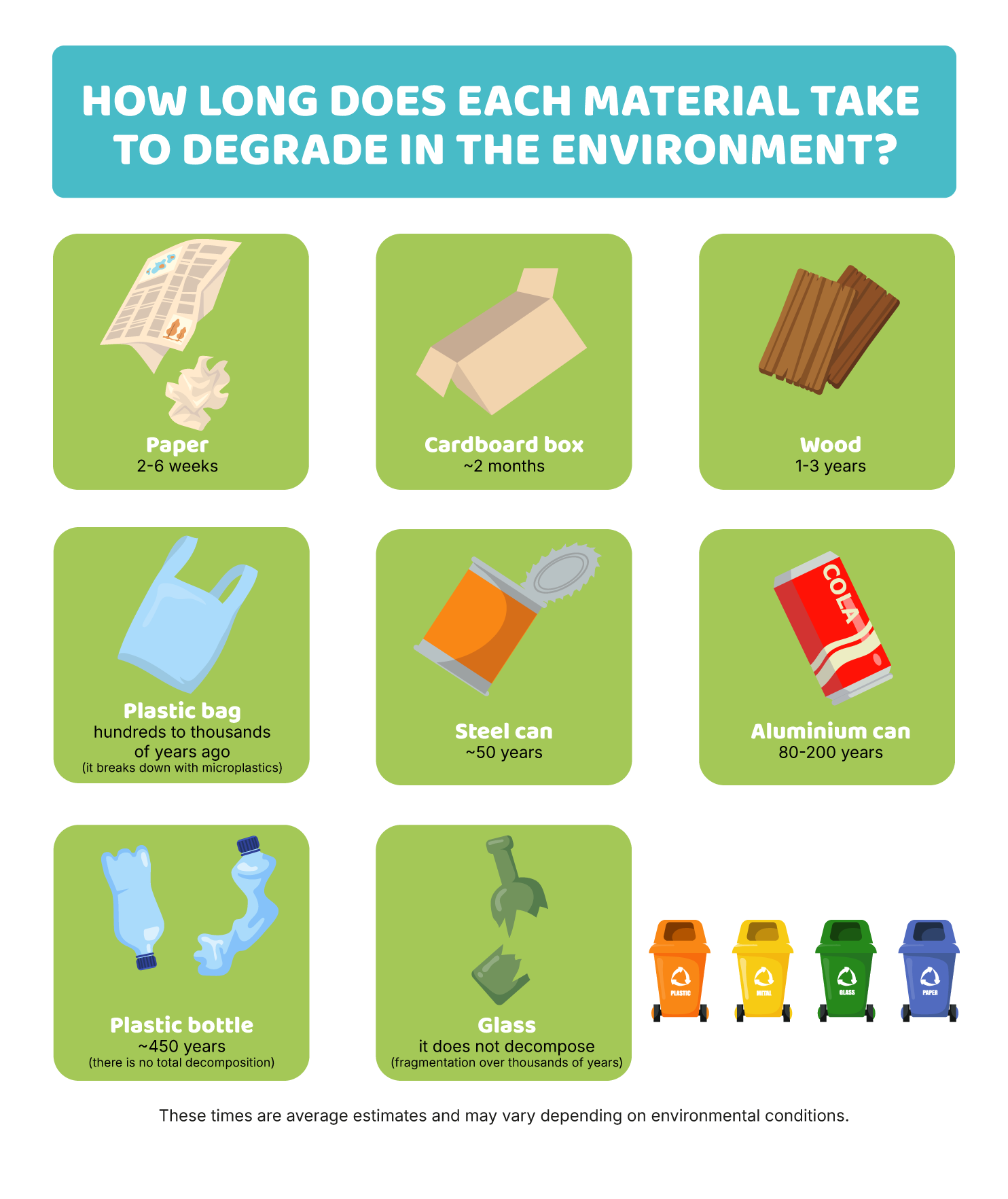
Packaging is essential for hygiene and safety, but it is also one of the biggest sources of waste.
Impacts of packaging:
- increase in plastic and waste
- increased energy consumption
- greater difficulty in recycling
Smart planning helps to reduce packaging: whole fruits, home-cooked food, simple meals.
World trade: who produces, who consumes, who profits
Global trade brings variety to our plates, but it also creates inequalities:
- rich countries import cheap goods from poorer countries
- Large multinationals control prices
- small-scale farmers receive little
- Working conditions are not always fair
Products such as cocoa, coffee, sugar and palm oil are linked to:
- deforestation
- loss of biodiversity
- child labour
- unfair wages
Food security: ensuring that everyone has enough to eat
Food security is based on four key factors. The first is availability, which refers to whether there is enough food in the country or region. The second is access, that is, whether or not people can afford the food they need. The third factor is utilisation, which concerns the conditions for cooking, storing and preparing food safely and properly. Finally, stability determines whether this access is maintained over time or fluctuates due to crises or market fluctuations. Climate change, wars, droughts and economic crises undermine each of these dimensions, increasing the risk of food insecurity.
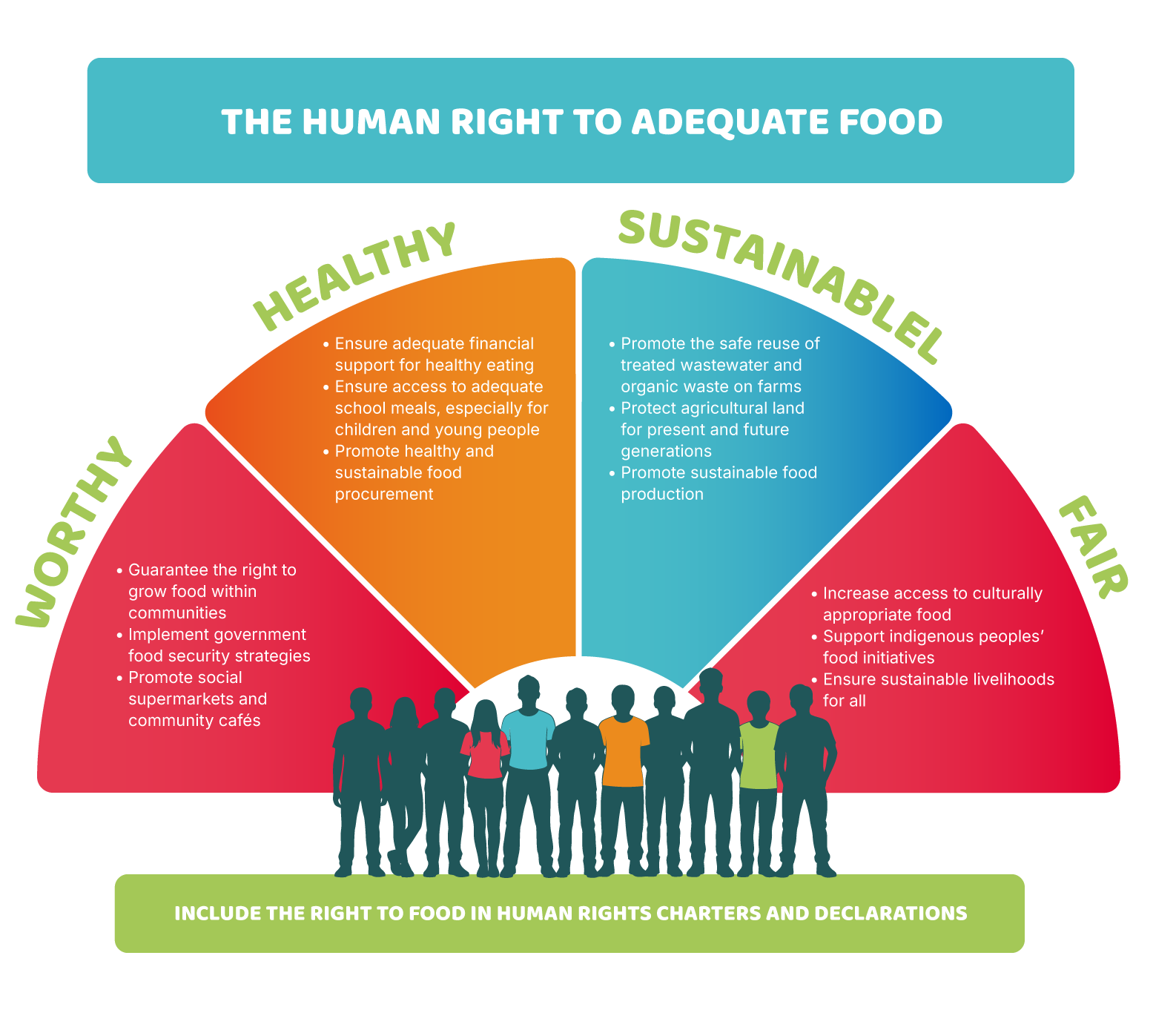
Food justice: food as a right, not a privilege
Even though there is enough food in the world, millions of people do not have access to it. This raises questions of justice:
- Who decides what is produced?
- Who controls prices?
- Who stands to gain and who stands to lose?
- Why are foods with fewer nutrients the cheapest?
- Why is healthy food less accessible in many neighbourhoods?
Meal planning is not just a personal choice; it is also an ethical choice.
Millions of farmers in developing countries rely on the sale of their agricultural produce to earn an income and support their families. Many farmers rely on the sale of a single crop, such as coffee, cocoa or bananas. This makes them vulnerable to price fluctuations and adverse weather conditions.
Fair Trade helps farmers in developing countries:
- to be paid a fair price for their work
- to ensure better working conditions
- to be able to invest in their communities (e.g. schools, clean water)
- protecting the environment by promoting sustainable production methods
How to make choices that support more sustainable food systems
FoodWiseLab’s aim is for you to use this knowledge to make informed choices.
Smart choices:
- prefer local or regional food
- eat seasonal produce
- to reduce dependence on ultra-processed foods
- choose fish with sustainability certification
- include more plant-based protein (less environmental impact)
- prevent food waste
- reading environmental and social labels
- support small-scale producers wherever possible
- opt for packaging with minimal environmental impact
All of this improves the resilience of food systems.
How dietary choices influence the global system
| Choose | Environmental impact | Social impact | Economic impact |
|---|---|---|---|
|
Place and time |
↓ emissions, ↓ transport |
strengthens communities |
supports producers |
|
Ultra-processed |
↑ energy, ↑ plastic |
industrial dependence |
consolidated profits |
|
Sustainable fish |
protects the oceans |
supports fishermen |
diversifies resources |
|
Intensive meat production |
↑ emissions, ↑ land use |
pressurises systems |
high cost |
|
Pulses |
low footprint |
accessible |
very efficient |

When you go shopping, ask yourself this question:
“Does the journey this food takes, from the field to my plate, help build the food future I want?”
If the answer is “yes”, you’re on the right track.
If it’s “no”, see if there’s a fairer and more sustainable alternative.
FOODWISElab challenge
 Understand the journey food takes from the place of production to your plate, identifying the number of stages involved, the associated environmental impact and possible more sustainable alternatives.