
Protein: sources, environmental impact and informed choices
Protein is one of the most widely discussed nutrients during adolescence. It is essential for growth, muscle development, the immune system and countless metabolic functions. However, not all proteins have the same impact, either on the body or on the planet. In this subsection, we explore this topic in greater depth, with greater scientific rigour and analytical independence.
What is protein and why is it so important?
Proteins are molecules made up of smaller units called amino acids, some of which are essential amino acids that the body cannot produce and which must therefore be obtained from food.
They perform vital functions in the body: they are essential for muscle growth and repair, for the production of hormones and enzymes, for the proper functioning of the immune system and for the work of various carrier molecules in the blood. Proteins also play a part in the formation of antibodies and contribute to the health of the skin, hair and nails, making them essential at all stages of life, but especially during adolescence.
- Animal protein
- meat, fish, eggs, milk
- complete profile of essential amino acids
- high digestibility
- greater environmental impact (varies by species)
- Plant-based protein
- pulses, whole grains, nuts, seeds
- a great choice when combined
- less environmental impact
- more fibre, antioxidants and micronutrients
- associated with a lower risk of chronic diseases in adulthood
- Myths and evidence
- Common myth: “Plant-based protein is inferior.”
- Evidence: appropriate combinations of plant-based foods provide high-quality protein.
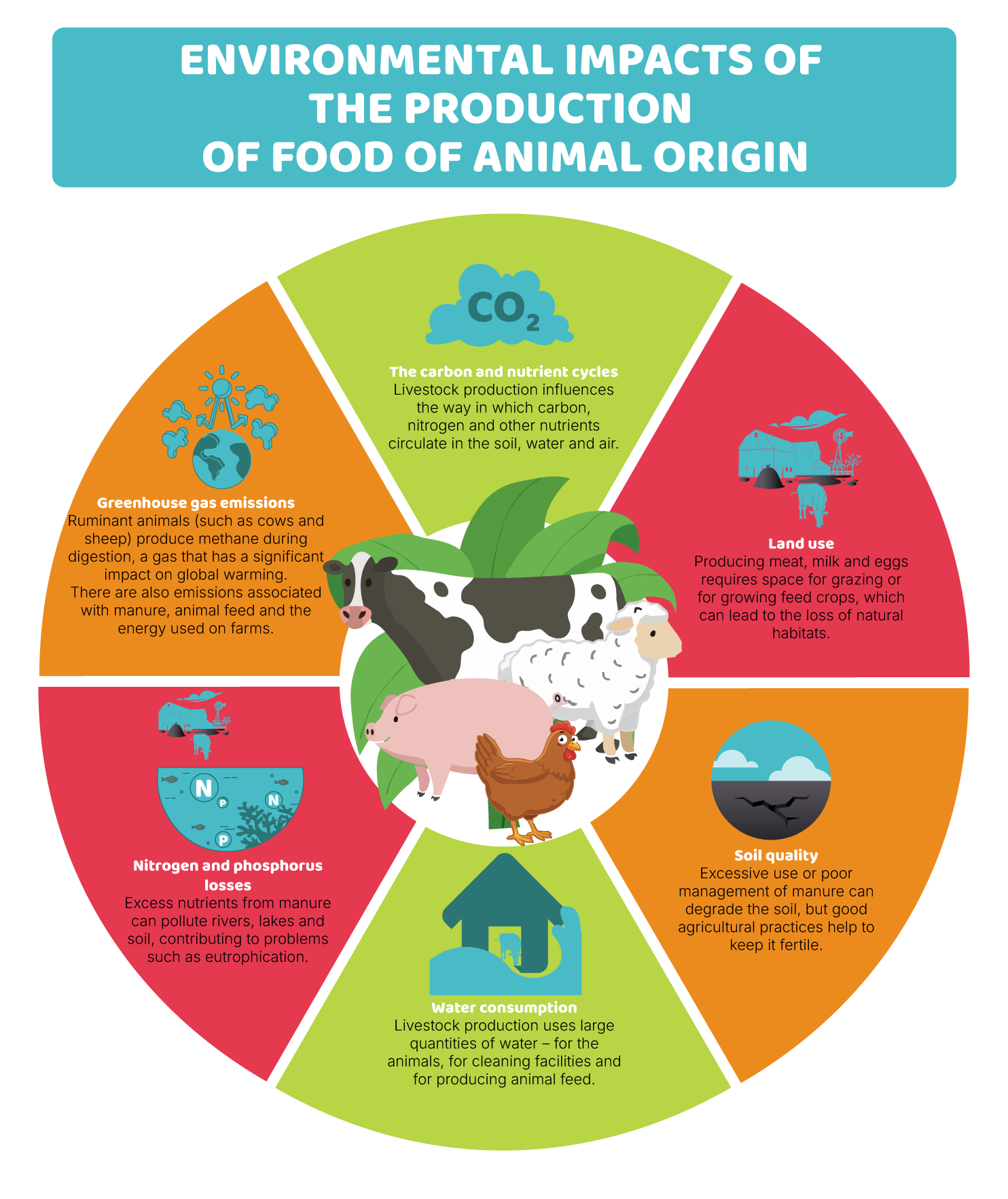
Protein production has very different environmental impacts depending on its source. Amongst the group with the greatest impact are cattle, which require significant land and water use and are associated with high methane emissions. Sheep have a similar impact. Hard cheeses also tend to have a significant environmental footprint, as a great deal of milk is required to produce 1 kg of the product.
At an intermediate level of impact are poultry, which generally emit fewer greenhouse gases and have greater feed efficiency (they require less feed per kg of meat produced), as well as eggs, whose impact is considered moderate. Wild fish can have a highly variable impact in terms of sustainability, depending on the species and, above all, the method of catch.
Finally, in the lowest impact group are pulses, with very low emissions, and foods such as tofu, which has a low impact and high efficiency in protein production. Nuts may require more water in certain crops, but generally speaking, their overall impact tends to be lower than that of most animal-based proteins.
Thus, choosing protein sources is not just a nutritional issue: it is also a decision with ecological consequences, which directly influences the environmental footprint of our diet.
Fish is an excellent source of protein and omega-3, but its sustainability varies.
Best choices (Portugal):
- mare
- horse mackerel
- sardines (when fishing is permitted)
- black swordfish
- anchovy
Choices to avoid:
- overfished species
- fishing using destructive methods
- imported species with a high transport footprint
Protein supplements in adolescence: yes or no?
Taking protein supplements, such as casein or vegetable protein powder, has become common amongst young people, often without there being any real need for them. From a scientific point of view, their use is only recommended in specific situations: when dietary intake is insufficient, when there are increased requirements due to structured sports training or when it is explicitly recommended by a nutritionist or doctor.
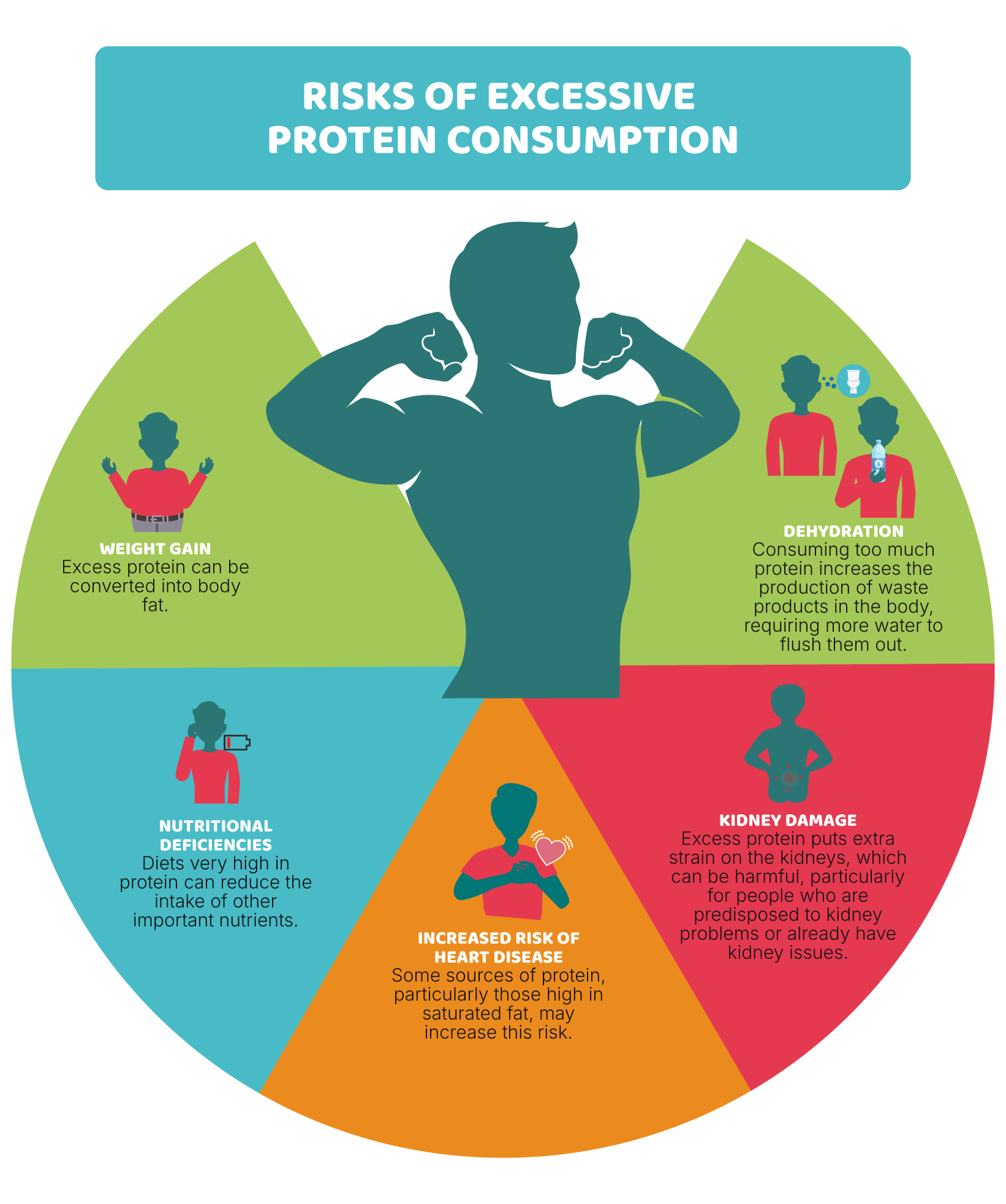
Inappropriate use of these products can lead to various problems: excessive protein intake, replacing full meals with shakes, consuming products containing added sugars and, in some cases, exposure to adulterated products, particularly when purchased from poorly regulated online markets.
There is also a widespread misconception: that ‘more protein = more muscle’. In reality, muscle growth depends on a combination of appropriate training, sufficient rest and adequate total energy intake from the diet; it does not depend solely on the amount of protein consumed.
Building a sustainable and healthy protein intake
For young people aged between 15 and 17, a balanced routine is recommended:
Prioritise:
- pulses (3–4 times a week)
- sustainable fish (1–2 times a week)
- eggs (2–4 times a week)
- nuts and seeds
- wholemeal cereals combined with pulses
Moderate:
- poultry (1–2 times a week)
- full-fat dairy products
- hard cheeses
Reduce:
- red meat
- processed meats (ham, sausages, (processed burgers)
- ultra-processed foods (UPs) rich in isolated or fortified protein
The role of the Mediterranean diet
Protein intake should be based on a balanced combination of sources, prioritising fish, pulses, nuts, small portions of meat, eggs, dairy products in moderate quantities and whole grains. This pattern promotes variety, includes foods rich in essential nutrients and reduces reliance on proteins with a greater environmental impact.
Scientific evidence shows that this type of diet is associated with several benefits: lower cardiovascular risk, improved body composition, a more diverse gut microbiota, a lower environmental impact and, in the long term, greater longevity. It is a balanced, sustainable diet tailored to the needs of adolescence and adulthood.

If you regularly exercise, remember:
muscles don’t need more protein; they need the right protein, in the right context.
Combine pulses and whole grains, and add a simple protein-rich snack such as natural yoghurt or nuts.
FOODWISELab challenge

Think about the sources of protein you consume throughout the week, understand their environmental impact and explore complete plant-based alternatives that promote health and sustainability.