
Smart Eating: making evidence-based decisions
What you eat affects almost everything about you: how you grow, how your body works, how you feel, how you think, how you learn, how you work and how you enjoy yourself. What you eat affects your physical health as well as your concentration, your mood and your energy levels throughout the day. That’s why choosing what to eat isn’t ‘just about food’: it’s about looking after your wellbeing.
When we talk about wellbeing, we’re talking about various interconnected aspects of your life:
- Physical wellbeing – not being ill very often, having energy, taking part in physical activity and avoiding injuries.
- Social wellbeing – having healthy relationships with family, friends and colleagues, and feeling that you are making a contribution to the world around you.
- Emotional wellbeing – feeling good about yourself, knowing how to cope with good times and bad, and holding on to some hope.
- Intellectual wellbeing – keeping your mind active, learning new things and using what you know to solve problems.
- Personal wellbeing and values – understanding what matters to you, your values, and finding meaning in the choices you make.
- Academic and professional wellbeing – having a positive attitude towards school or work and taking pride in what you do.
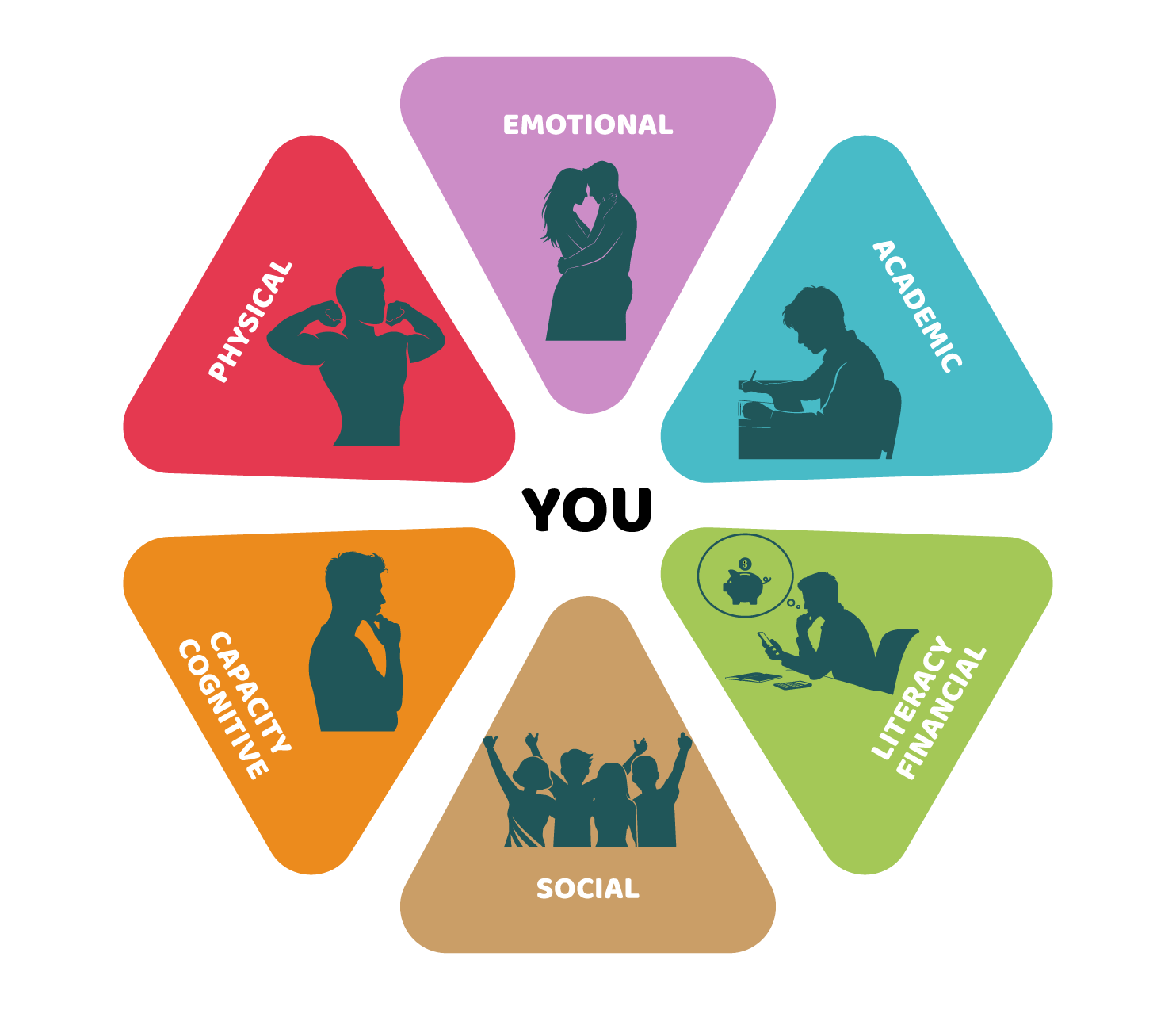
Well-being is not a ‘perfect’ state; it is an ongoing process. Every day, you make choices that can either strengthen or weaken these factors, and what you eat is part of those choices.
Smart eating is the ability to reflect on and make decisions about what we eat, rather than following strict rules or social media trends. Once you’ve learnt how food is digested, where you get your energy and nutrients from, and the importance of fruit, vegetables and water, you’re ready to take the next step: applying that knowledge to make independent, critical and balanced choices.
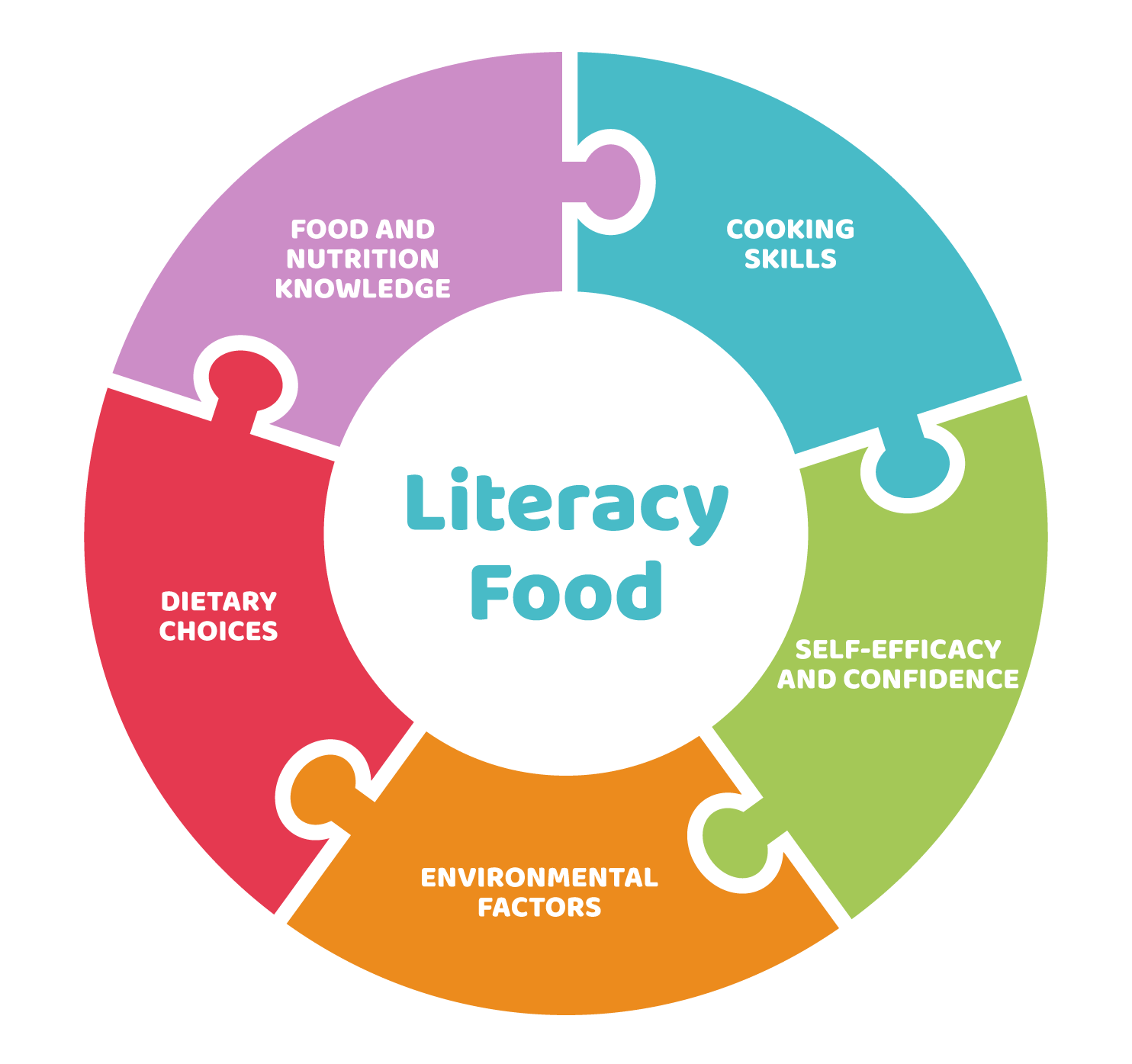
Being smart about food isn’t about looking for ‘the best diet’, but about developing mental tools to help you analyse information, compare options, plan meals and assess the impact of your choices on your health and the environment. All of this forms part of food literacy – a set of skills that is built up over time and stays with you for life.
A nutritious diet is one in which the combination of foods and drinks you consume provides you with enough energy and the right amount of nutrients, in a balanced way over time, so that you can grow normally, have strong bones, healthy muscles, and skin and organs that function properly. To understand what these foods are, two areas of knowledge come into play:
- Nutrition, which studies nutrients and how the body uses them.
- Food science, which studies what happens to food as it is produced, processed and preserved.
Smart eating is, at its core, about using this evidence from nutrition and food science to take better care of your body and your wellbeing, both now and in the future.
How to evaluate the information you find about food
Nowadays, much of what we see about ‘diet’, ‘energy’ or ‘healthy eating’ comes to us via short videos, influencers or highly eye-catching advertising. The problem? Many of these messages have no scientific basis and may convey incorrect or incomplete ideas.
One of the most important skills for truly healthy eating is knowing how to assess the quality of information: understanding what constitutes scientific evidence, spotting exaggerations and distinguishing facts from opinions. When you can do this, you become independent of trends and start making choices that protect your health, both now and in the future.
Questions to help you assess:
- Who is saying this? (a healthcare organisation or a brand?)
- Is it all a bit of an exaggeration? Words such as ‘miraculous’, ‘detox’, ‘superfood’ or ‘never eat this’ are red flags.
- Do they cite any sources? Studies, references or official recommendations?
- Is that too simplistic? Science rarely provides ‘yes’ or ‘no’ answers.
- Will it work for my day-to-day life? A good recommendation is one that fits in with your circumstances, timetable and possibilities.
When you develop critical thinking skills, you are no longer swayed by misleading information and you gain independence.
Choosing between two similar foods may seem difficult, but there are simple criteria that can help. It’s not just a matter of ‘counting calories’, but of understanding the range of characteristics that make a food a good choice.
Ultra-processed foods, such as packaged snacks, fizzy drinks and shop-bought cakes, are very high in sugar, salt or fat, but low in essential nutrients such as vitamins, minerals or fibre. When consumed in excess, they end up ‘replacing’ foods that actually nourish the body, such as fruit, vegetables, pulses or nuts. That is why nutritional density is so important: it is not enough to compare calories; we need to compare what the food provides for the body.
How to compare foods using sensible criteria
| Criterion | What you should look for | Practical examples |
|---|---|---|
| Nutritional value | fibre, micronutrients, low in saturated fat | wholemeal bread vs. white bread |
| List of ingredients | short and featuring recognisable ingredients | plain yoghurt vs. flavoured yoghurt |
| Degree of processing | fewer additives and sugar | plain nuts vs. sweet snacks |
| Satiety | combinations that keep you energised for longer | fruit + almonds vs. biscuits |
| Price and affordability | good value for money | pulses vs. ready meals |
| Sustainability | seasonality, local production | seasonal vegetables |
Practical planning: turning choices into routine
Planning doesn’t mean drawing up a rigid menu. It means anticipating real-life needs: school hours, training sessions, study time, travel, and budget.
Simple strategies for better planning:
- Choose 2–3 staple meals that are easy to make again throughout the week.
- Always take a packed snack with you to avoid last-minute impulse buys.
- Have versatile foods at home: seasonal fruit, eggs, vegetables, mixed-grain bread, olive oil, natural yoghurt, pulses
- When you go shopping, follow a category-based list (fruit and vegetables, wholegrains, pulses, protein, essentials).
Planning is a tool, not an obligation, which helps you feel in control and find balance in your day.
Smart eating also takes the planet into account
Choosing what to eat isn’t just about your health: it’s about considering the impact of your choices on the environment. Seasonal fruit and vegetables, pulses, whole grains and fresh produce are all part of a sustainable diet because, generally speaking, they use fewer resources and produce fewer carbon emissions.
The Mediterranean Diet, which forms the basis of FOODWISELab, embodies this idea: eating more vegetables, more fibre, more ‘real’ food and fewer ultra-processed foods is good for you and for the planet.
When you’re faced with two similar products, apply the 3 Cs:
Content: simple ingredients.
Care: moderate levels of sugar, salt and saturated fat.
Consistency: does it fit in with what you’ll be eating during the week?
If it ticks two of the three Cs, it’s a good choice.
FOODWISELAB challenge

To develop the ability to compare food choices, making more informed decisions based on health, energy and personal values.