
Eggs
Eggs are a versatile and affordable food, providing high-quality protein, vitamins and minerals. When combined with vegetables, wholemeal bread, pulses, fish or poultry and olive oil, they fit naturally into the Mediterranean diet.
A hen’s egg consists of egg white (around two-thirds) and egg yolk (one-third). The white mainly provides protein and water; the yolk is rich in fats, vitamins (A, D, E, K and the B group), minerals (selenium, iodine, phosphorus) and carotenoids (lutein and zeaxanthin).
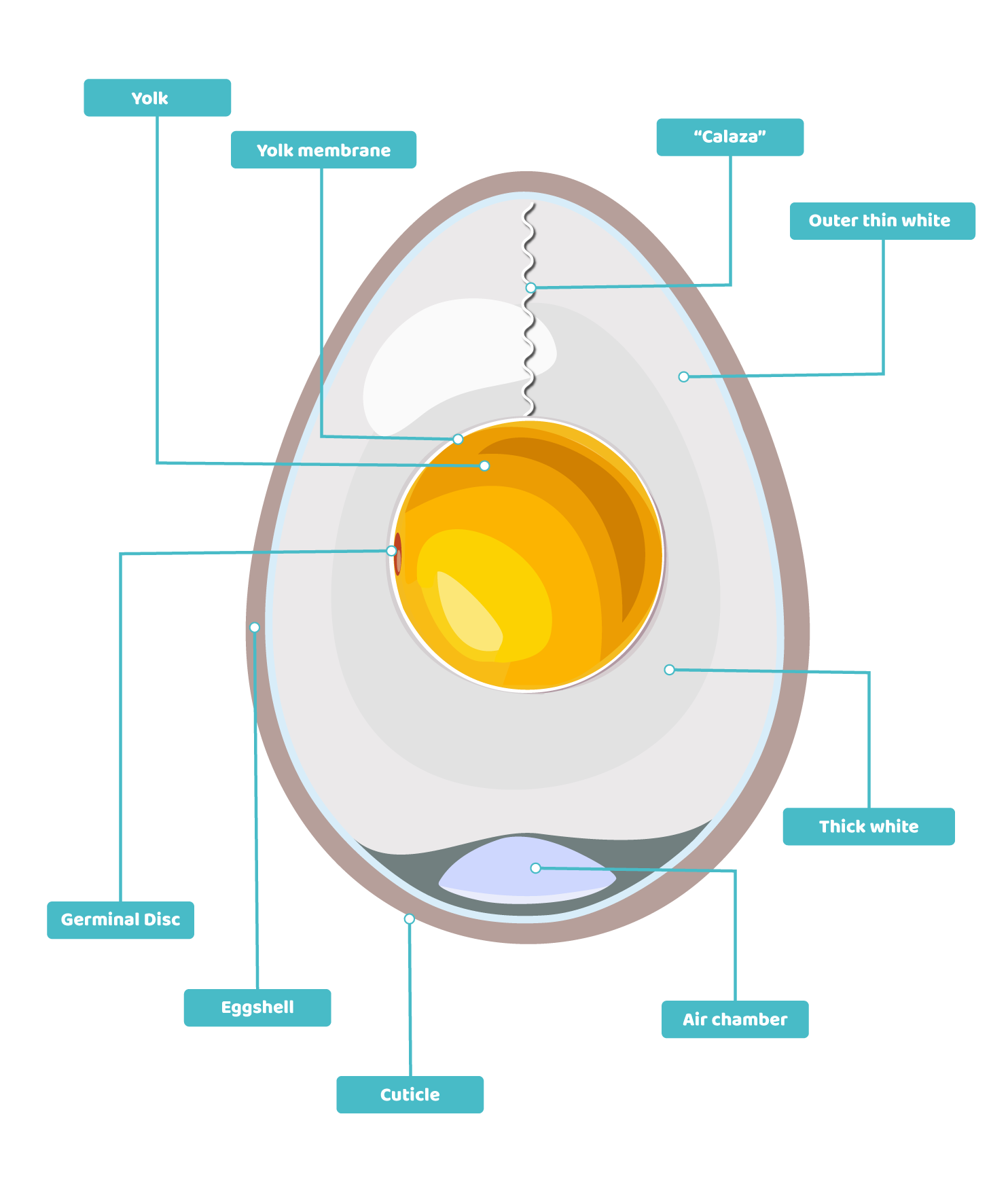
• Skin and cuticle: an external barrier that protects against microorganisms.
• Shell membranes: they strengthen the defence and enclose the air chamber.
• Egg white (albumin): rich in protein, with structural and culinary functions.
• Egg yolk: rich in fats, vitamins, minerals and antioxidants.
Why include
Eggs are an excellent source of protein and micronutrients, with high bioavailability. The lutein and zeaxanthin found in the yolk contribute to vision and cognitive function.
For healthy adolescents, regular consumption of eggs – up to around one a day – as part of a balanced diet does not increase cardiovascular risk.
Practical examples for planning
- Breakfast: wholemeal toast with tomato, a poached egg and olive oil; served with seasonal fruit on the side.
- Snacks: hard-boiled egg with carrot and cucumber sticks; or a cold potato and vegetable tortilla.
- Lunch/dinner:
-
- Mediterranean bowl: chickpeas, brown rice, mixed leaf salad, roasted vegetables and a hard-boiled egg.
- Quick stir-fry: scrambled eggs with spinach and mushrooms, served with mixed-grain bread and tomato salad.
- Meat-free ‘extra protein’: green beans sautéed with garlic, poached egg and extra virgin olive oil.
Reference amounts (12–14 years)
1 medium egg (~50 g) = 1 portion of protein. Combine 1 portion of protein (which could be 1 egg) with wholegrains and vegetables. Adjust according to your physical activity and appetite.
Safety and conservation
- Store the eggs in the fridge (≤4–5 °C), in their original packaging and away from the door.
- Cook until the egg white is completely set; egg dishes should reach a temperature of around 71 °C at the centre.
- Avoid recipes containing raw eggs, unless pasteurised eggs are used.
- Wash your hands and utensils after handling raw eggs; do not leave dishes containing egg at room temperature for more than 2 hours.
- Cool boiled eggs, omelettes or egg dishes quickly and eat them within 3–4 days.
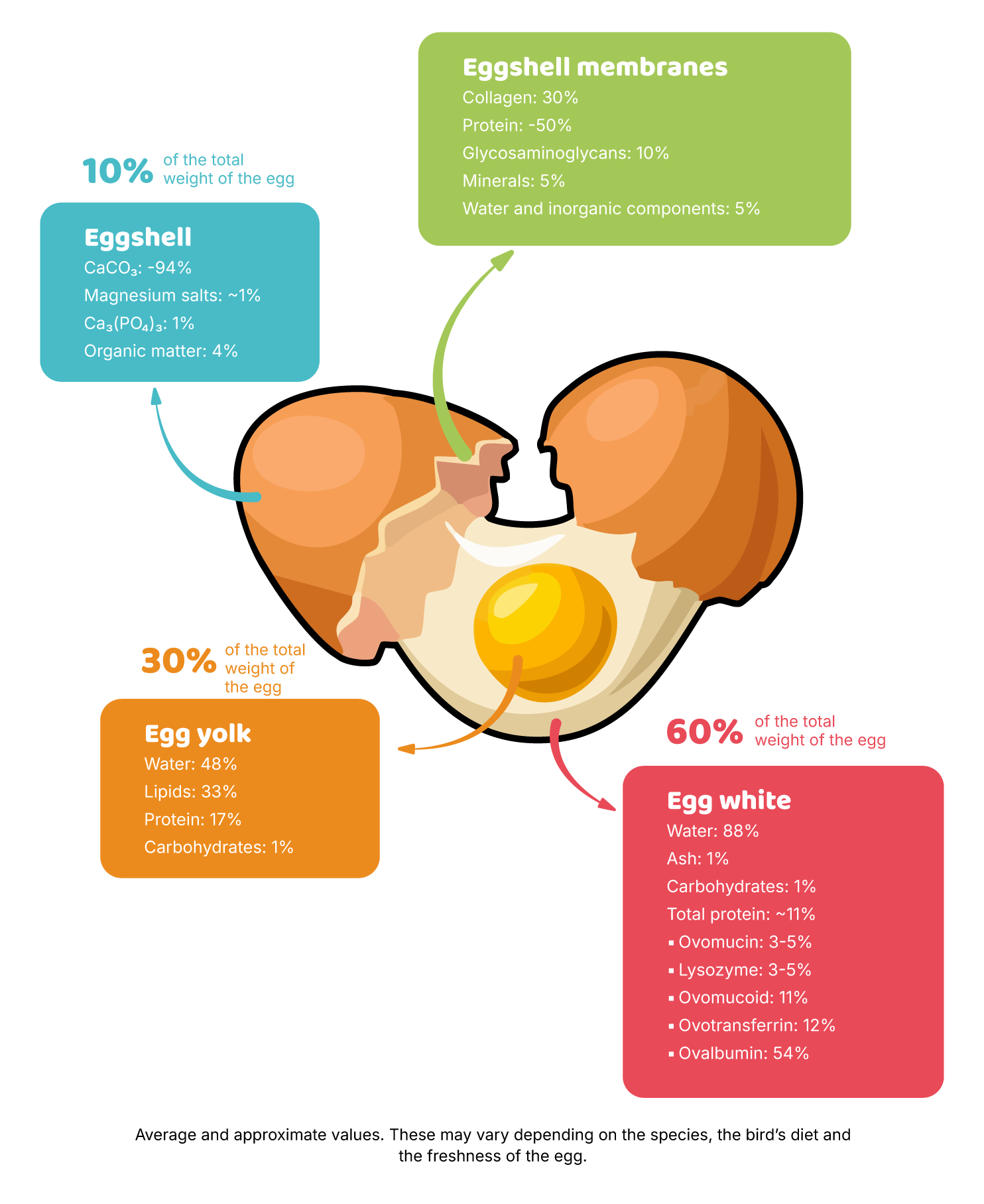

- The protein quality of a boiled egg is used as a benchmark for other foods.
- The lutein and zeaxanthin content varies depending on the hens’ diet.
- Eggs are a source of selenium and iodine, essential nutrients for school-age children.
- The production and marketing of eggs in the European Union are subject to strict quality and safety standards.
Planning tip
Boil 6 eggs on a Sunday and plan two meals:
- Day 1: Mediterranean salad with tomatoes, cucumber, chickpeas and 2 eggs.
- Day 2: wholemeal bread sandwiches with egg spread (mashed egg yolk + yoghurt + herbs).
That way, you save time and avoid waste.
Desafio FOODWISElab

Plan balanced meals featuring eggs, incorporating wholemeal cereals, vegetables and olive oil, in line with the principles of the Mediterranean diet
EGG OF THE WEEK: MEDITERRANEAN BALANCE