Where do nuts and seeds come from?
Nuts and seeds are highly nutritious natural foods, rich in healthy fats, proteins, vitamins, minerals and antioxidants. Although small, they provide a lot of energy and are important for the proper functioning of the brain, heart and muscles.
What are nuts and seeds?
Not all nuts are actual ‘fruits’, and not all seeds grow inside them.
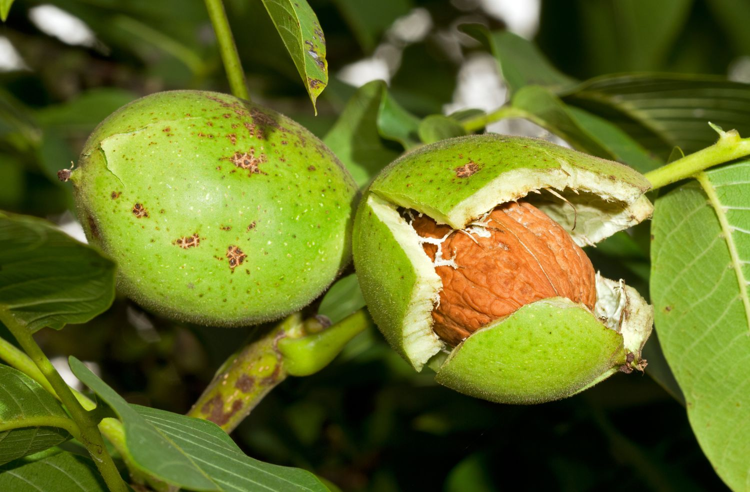
- Hard-shelled nuts, such as hazelnuts, chestnuts and walnuts, are fruits with a hard shell that protects a single seed inside.
- Others, such as the almond and the pistachio, are the seeds of fruits that develop inside thick shells. The cashew is a special case: its seed develops outside the fruit.
- Edible seeds, such as those from pumpkins, sunflowers, sesame, chia and linseeds, are harvested directly from the plants and can be eaten raw, roasted or used to make oils and flours.
Nuts and seeds
Dried fruits grow on trees or shrubs that bear fruit once a year, usually in late summer or autumn.
- The walnut and hazelnut trees ripen in late summer, when the husks dry out and release the nuts.
- Almond trees blossom in spring and their almonds are harvested in late summer.
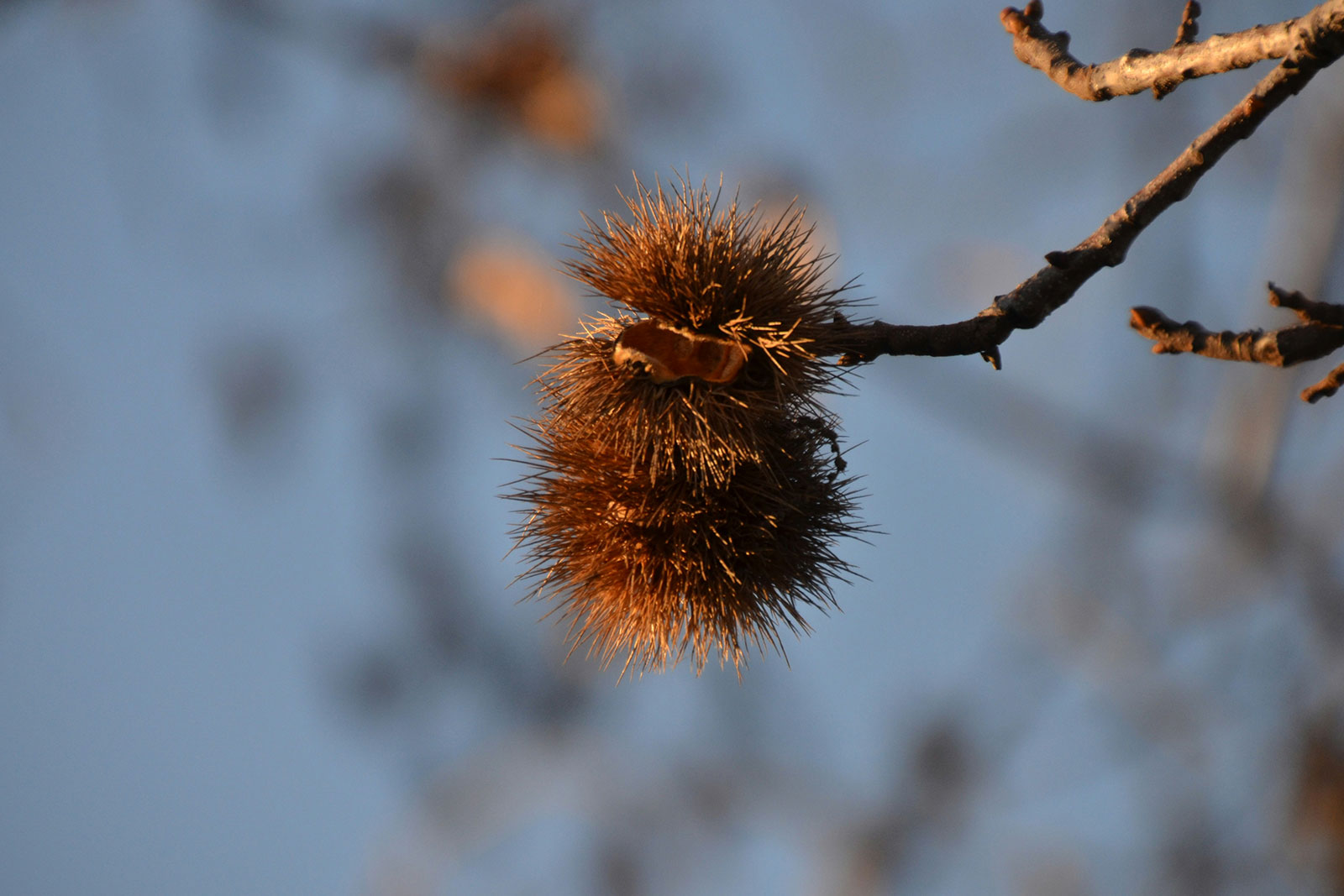
- Chestnut trees bear fruit in autumn, enclosed in spiny husks.
- The cashew tree, native to Brazil, produces the cashew, a pseudo fruit, the seed of which (the cashew nut) grows outside the fruit.
Oilseeds, such as sunflower and pumpkin seeds, are harvested when the flowers or fruits have dried out, and are then separated, cleaned and dried for storage.
Nutritional value
Nuts and seeds are sources of concentrated energy and contain healthy fats, particularly monounsaturated and polyunsaturated fats, which help protect the heart.
They are also rich in vitamin E, magnesium, phosphorus, zinc and fibre, which aid digestion and help prevent disease.
Eating a small portion a day (about a handful) helps to maintain a balanced and healthy diet.
Sustainability and the environment
Trees that produce nuts, such as walnut, almond and chestnut trees, help to reduce carbon dioxide (CO₂) and protect the soil from erosion.
Many farms use organic farming methods and efficient irrigation, which save water and preserve biodiversity.
Sunflower and pumpkin seeds are grown sustainably, requiring little energy and contributing to crop rotation, which improves soil fertility.

A tip for planning your meals
Include a handful of nuts or seeds a day, such as walnuts, almonds, sunflower seeds or pumpkin seeds. You can add them to salads, yoghurt, porridge or fruit. Choose local products with no added salt, and opt for those produced sustainably. This way, you’ll strengthen your body and help create a healthier planet.
FOODWISELAB challenge

To understand the origin of nuts and seeds, their journey to the consumer, and to reflect on more informed, sustainable and conscious choices.
Where Do Nuts and Seeds Come From?