PULSES
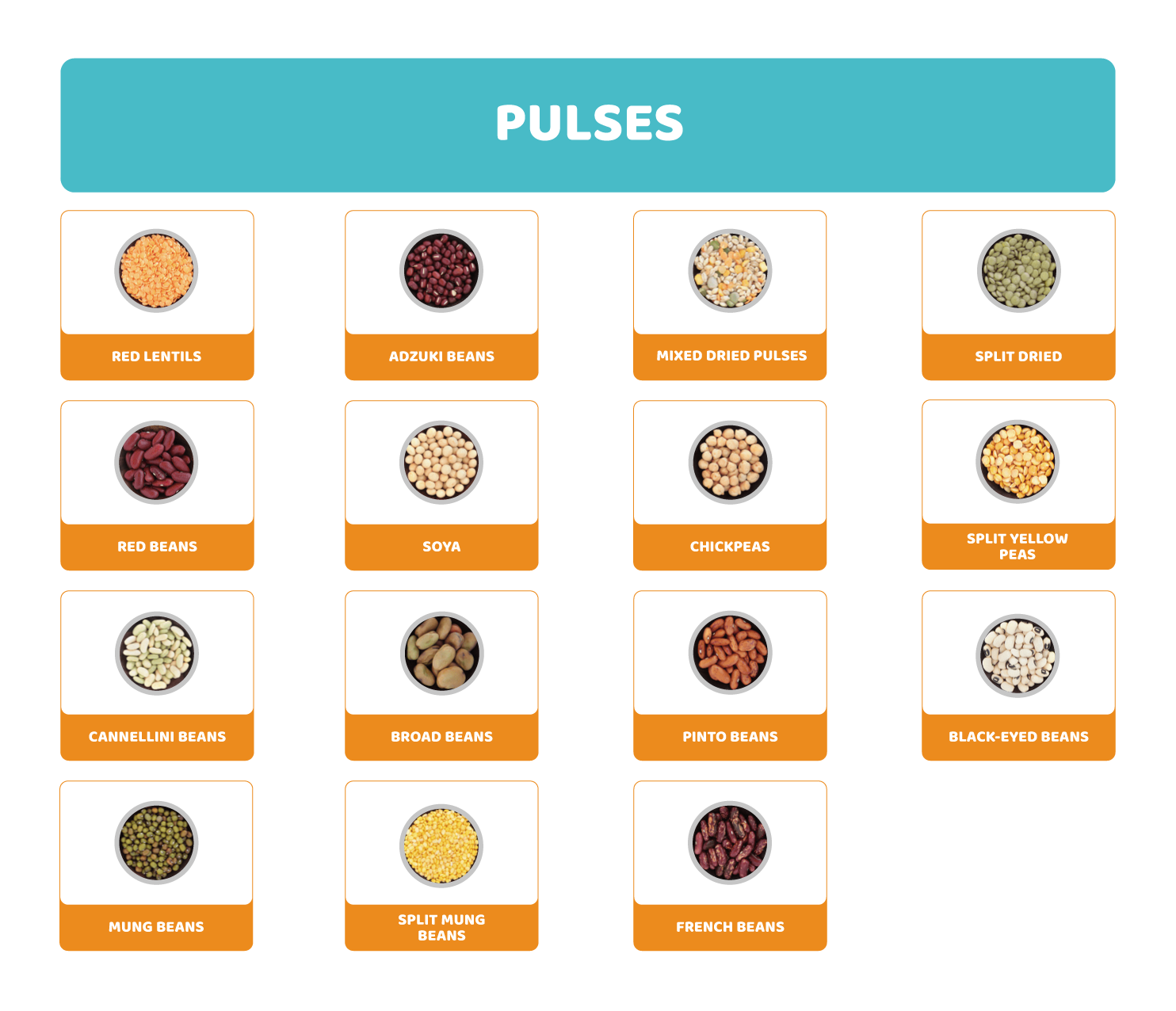
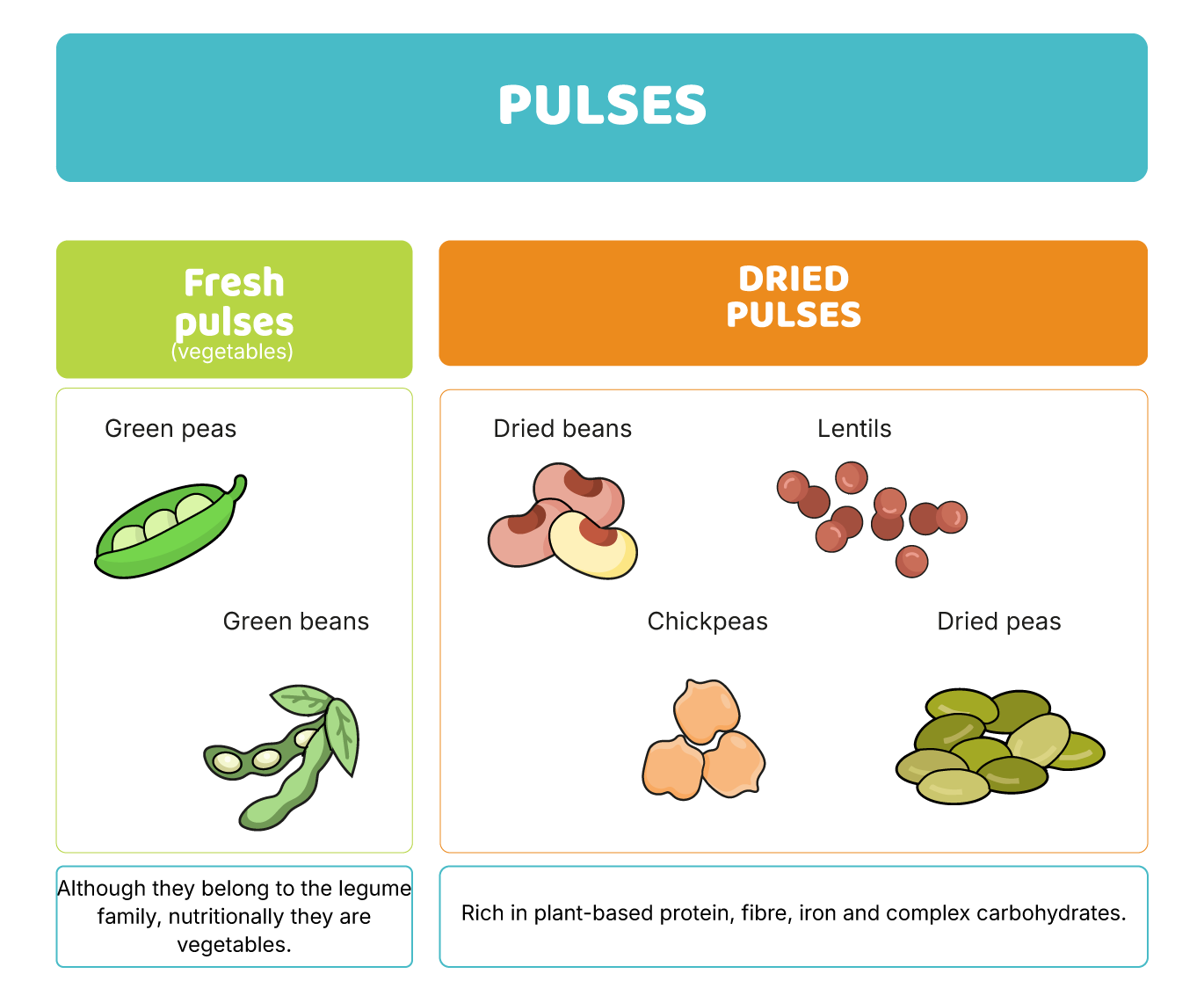
Dried pulses – such as beans, chickpeas, lentils, dried peas and broad beans, amongst others – are the edible seeds of plants in the legume family, harvested for consumption whilst dry. They do not include fresh pulses (e.g. green peas, green beans) or oilseeds (e.g. soya, peanuts, which, although legumes, are not included in this food group by nutritional convention due to their high fat content).
Pulses belong to the Fabaceae family, one of the largest families of plants, which includes genera such as Cicer, Lens and Vicia.
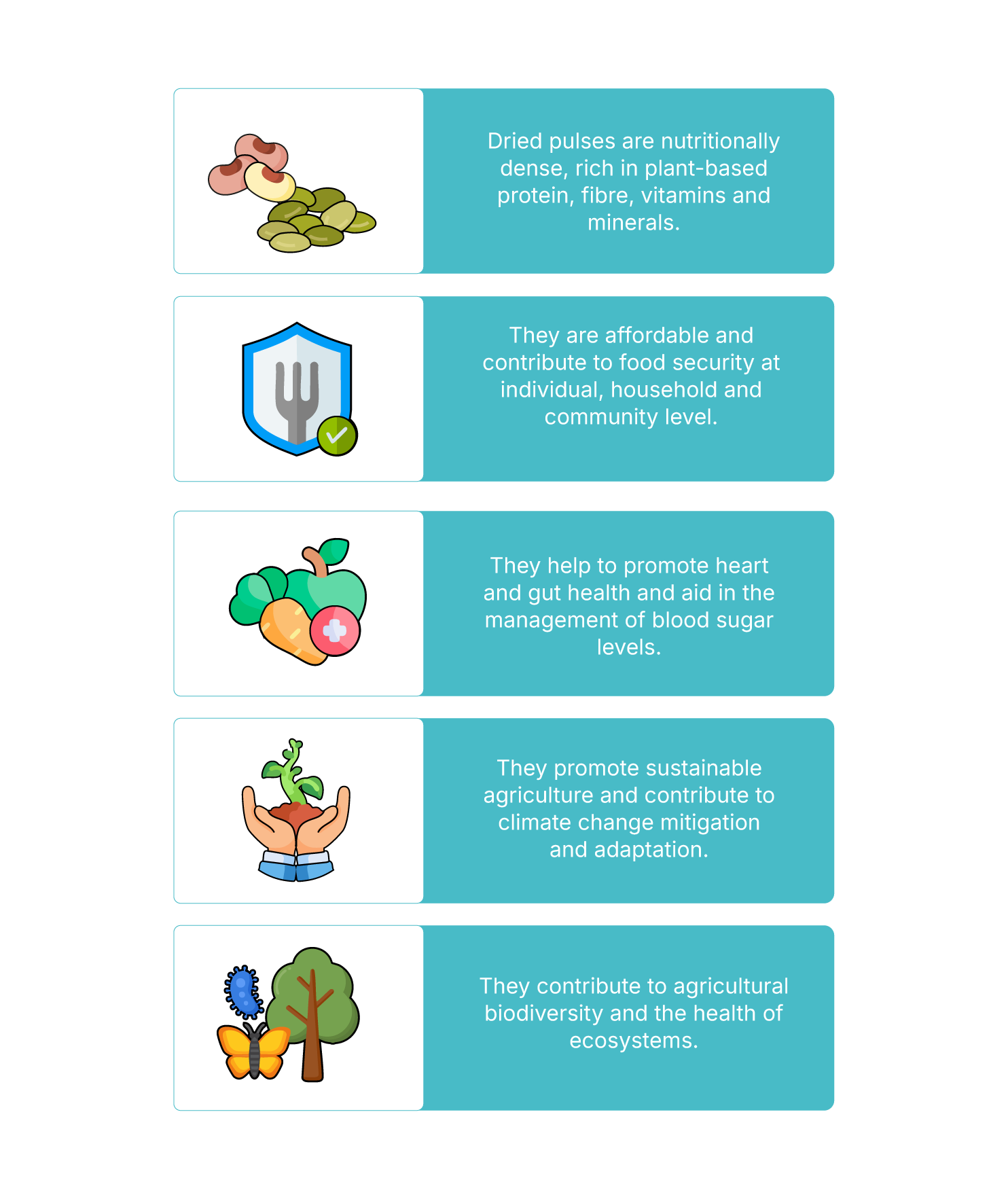
Pulses are an excellent source of plant-based protein and fibre, and are low in fat. They help increase satiety, regulate energy levels throughout the day and improve the nutritional quality of meals when combined with cereals.
They also play an essential role in food sustainability: they fix nitrogen in the soil, promote crop rotation and are more drought-resistant than many cereals. In the Mediterranean diet, they are the main alternative to animal proteins.
Preparation and utilisation
- Soak and cook thoroughly (for varieties that require it): this improves texture and digestibility, reduces anti-nutritional factors (e.g. phytates, trypsin inhibitors, natural substances that hinder digestion) and the sugars that cause intestinal discomfort.
- Vitamin C helps the body absorb iron (e.g. by adding citrus fruits, peppers or tomatoes).
- A pressure cooker is safe and reduces cooking time whilst maintaining the quality of the food (always follow the cooking times specified by the manufacturer).
Practical examples for planning
- Breakfast/snack: wholemeal toast with hummus (chickpeas) and tomato; or natural yoghurt with homemade ‘granola’ made from oat flakes and chopped lupin beans.
- Lunch/dinner:
- Brown rice with black beans and kale salad.
- Wholemeal pasta with ‘Bolognese’-style lentils and vegetables.
- Fava bean stew with poached eggs and plenty of vegetables.
- Warm salad of chickpeas, quinoa, cucumber, carrot and olive oil.
These combinations make the most of the ‘team effect’ of grains and pulses.
REFERENCE AMOUNTS (12–14 YEARS)
At every main meal, include 1 portion of cooked pulses as a staple or side dish.
Home-made guide: ½ cup (about 80–100 g cooked) = 1 portion. Adjust according to your physical activity and appetite.
SAFETY AND CONSERVATION
- Dried goods: store in tightly sealed jars or bags, away from light, heat and moisture.
- Cooked: cool quickly, store in sealed containers in the fridge and eat within 1–2 days, reheating thoroughly.
- Freezing cooked portions helps with weekly meal planning (defrost in the fridge and heat until boiling).

They are naturally gluten-free and generally have a low glycaemic index.
Varying the type (beans, chickpeas, lentils, dried peas, broad beans) helps to diversify your intake of fibre and micronutrients (iron, folate, potassium, magnesium).
Combining pulses with cereals improves the quality of the protein.
Eating pulses helps to make your diet more economical and environmentally friendly.
FOODWISELAB Challenge

To promote the consumption of pulses, meal planning and the use of stock, highlighting the role of lentils as a source of plant-based protein and iron.