Where does olive oil come from?
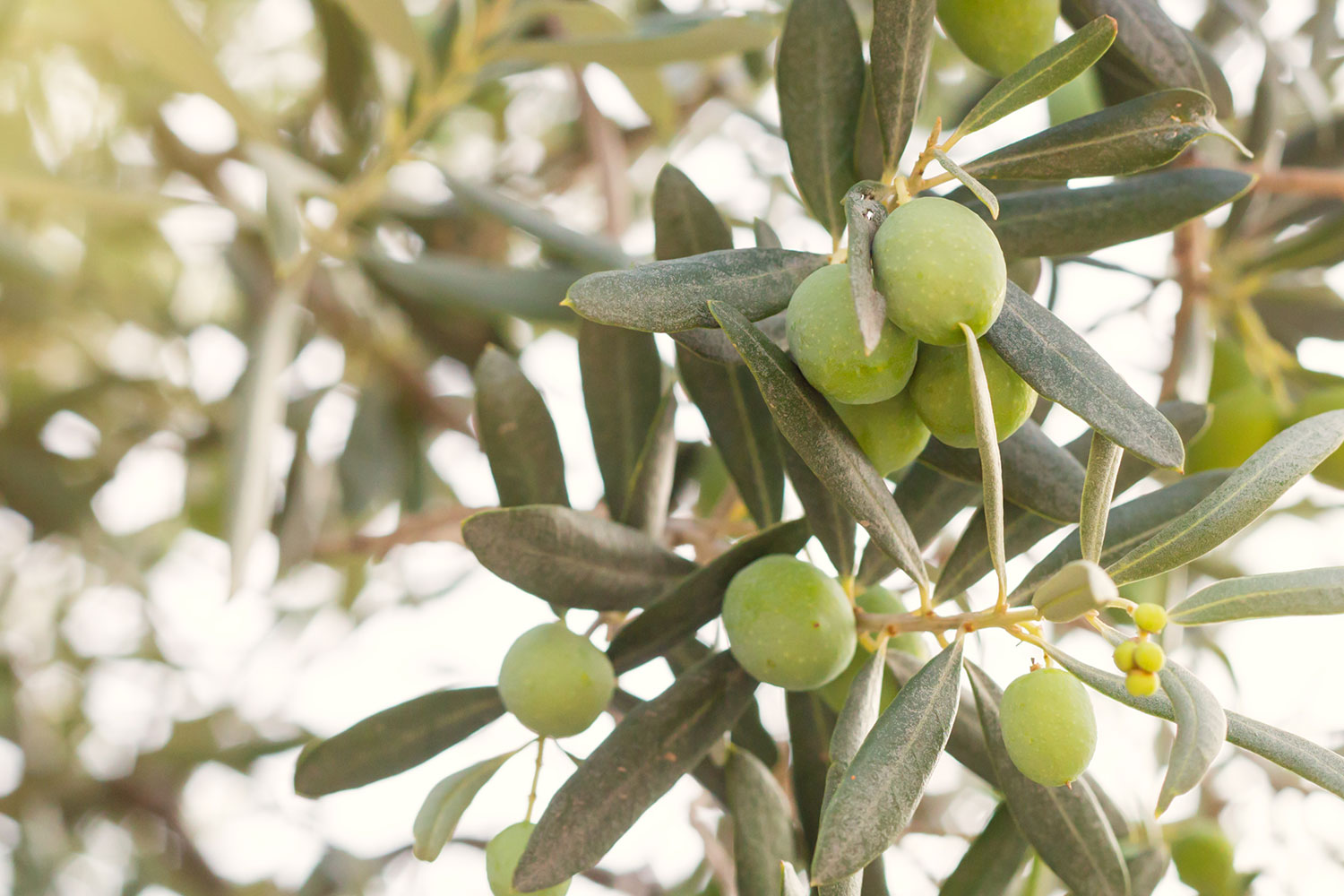
Olive oil is one of the most iconic products of the Mediterranean diet and has been part of Portuguese culture and cuisine for thousands of years. It is obtained from the fruit of the olive tree (Olea europaea L.), a tree native to the Mediterranean, known for its hardiness, longevity and economic and environmental importance.
The olive tree and its fruit
The olive tree has been cultivated in the Mediterranean region for over 5,000 years. It is believed that its domestication began in the Middle East and spread to Egypt, Greece, Italy and, later, to the Iberian Peninsula.
In Portugal, olive trees are found throughout almost the entire country, particularly in the Alentejo, the Beira Interior and the Douro, where olive oils of excellent quality are produced, recognized with a Protected Designation of Origin (PDO).
The fruit of the olive tree, the olive, is harvested in autumn or early winter. As it ripens, its colour changes from green to dark purple or black, and the oil content increases.
Azeite
O azeite é um sumo natural extraído das azeitonas, sem adição de produtos químicos. O processo de produção envolve várias etapas:
- Colheita – pode ser manual, mecânica ou por vibração das árvores. As azeitonas devem ser colhidas com cuidado para evitar ferimentos no fruto.
- Limpeza e trituração – as azeitonas são lavadas e trituradas, formando uma pasta.
- Batedura (malaxação) – a pasta é lentamente mexida para que as pequenas gotas de azeite se unam.
- Extração – o azeite é separado da água e da parte sólida (bagaço) por centrifugação.
- Filtragem e armazenamento – o azeite é filtrado e guardado em tanques de aço inoxidável, protegidos da luz e do calor, para conservar o sabor e os nutrientes.
O azeite virgem extra é o de melhor qualidade, obtido apenas por processos mecânicos, sem defeitos sensoriais e com baixa acidez, apresentando sabor e aroma naturais, ricos em compostos antioxidantes e anti-inflamatórios.
Composição e benefícios
O azeite é composto principalmente por gorduras monoinsaturadas, especialmente ácido oleico, que ajuda a reduzir o colesterol “mau” (LDL) e a aumentar o “bom” (HDL). Contém também vitamina E, polifenóis e outros compostos bioativos que protegem as células do corpo contra o envelhecimento e as doenças cardiovasculares.
Estudos mostram que o consumo regular de azeite está associado à prevenção de doenças do coração, à redução de inflamações e até à redução do risco de certos tipos de cancro.
SUSTAINABILITY AND THE ENVIRONMENT
Olive oil production can be sustainable when the balance between agriculture and the environment is respected.
Traditional farms, with widely spaced, rain-fed olive trees, help to conserve biodiversity, protect the soil and reduce water use.
Modern technologies, such as two-phase decanters, make it possible to extract olive oil using less water and producing less waste, whilst preserving the oil’s beneficial compounds.
The bagasse and wastewater from production can be reused to generate energy, fertilize the soil or produce biofuels, transforming waste into useful resources.
OLIVE OIL AND DIET
Olive oil is an essential ingredient in Portuguese cuisine, used to dress salads, cook vegetables, roast fish or meat and even in traditional sweets. As well as being tasty, it is healthier than other fats, such as butter or refined oils.

A tip for planning your meals
Use olive oil as the main source of fat in your daily diet. Opt for extra virgin olive oil produced in Portugal and use it in moderation; one to two tablespoons a day are enough to reap the benefits of its properties. Whenever possible, choose locally produced and sustainably sourced olive oils, thereby supporting the work of olive growers and protecting the Mediterranean environment.
FOODWISELAB challenge

To understand the origin of olive oil, its journey from the olive tree to the plate, and to reflect on informed, cultural and sustainable choices.
Where does olive oil come from?