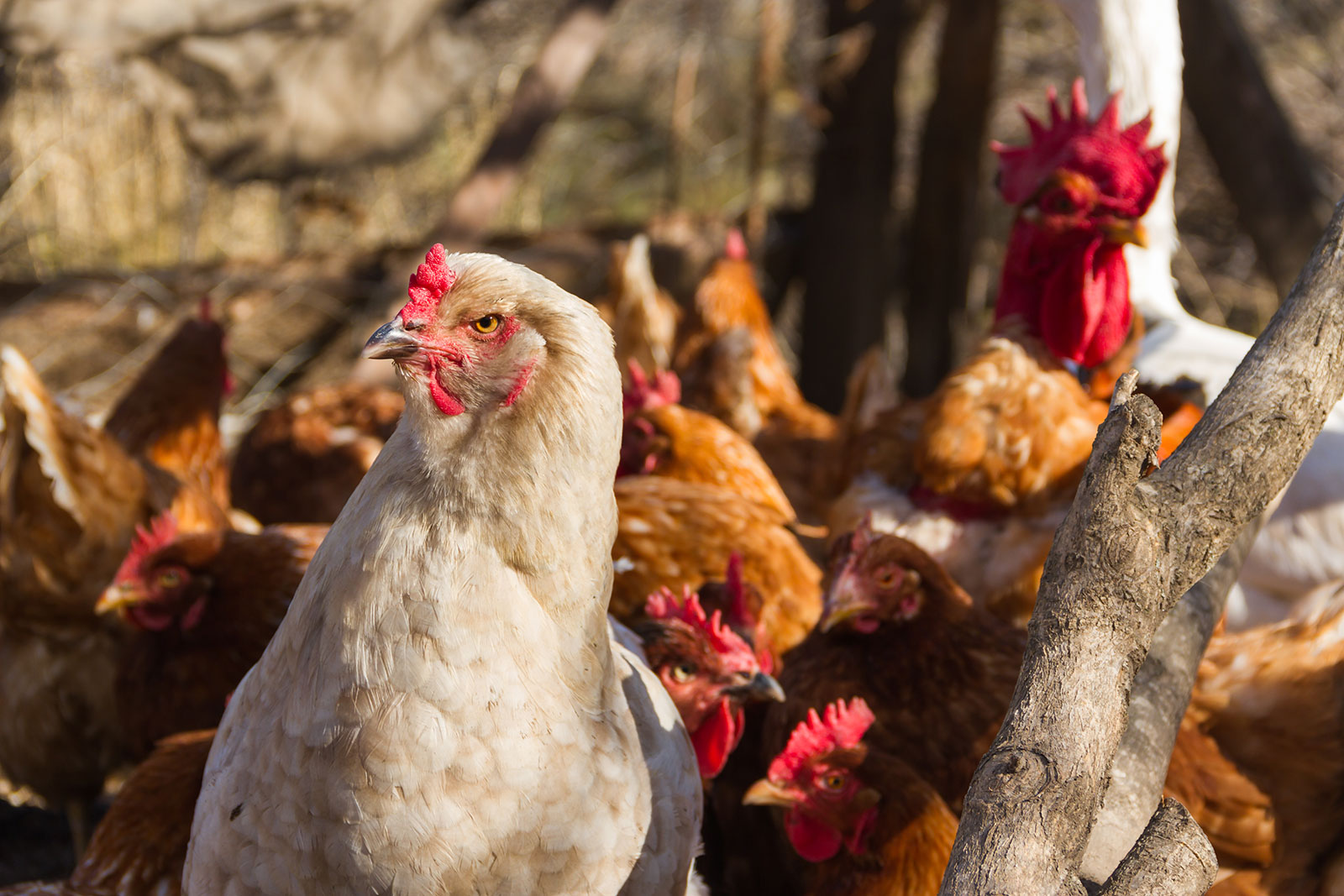
Where does chicken come from?
Chicken is one of the most widely consumed meats in the world. It is rich in high-quality protein, is low in fat and is an important source of B vitamins and minerals, such as iron and phosphorus. But do you know where it comes from and how it is produced?
Broiler chickens
Most chicken meat comes from broiler chickens (or meat chickens). These chickens belong to different breeds from laying hens; they have been selectively bred over time to grow quickly and develop more muscle mass, particularly in the breast and thighs.
The breeds used today are historically derived from breeds such as:
- the Cornish, a breed originating in England, known for its broad chest and short legs;
- and the White Plymouth Rock, which is more productive and resilient.
Crossing these two breeds produces fast-growing chickens with white plumage and a sturdy build, which are ideal for meat production.
Carne de frango
Os frangos de carne são criados em galinheiros amplos e ventilados, com temperatura controlada, acesso constante a água limpa e alimentação equilibrada à base de cereais (como milho e trigo), soja e suplementos minerais.
Durante as primeiras semanas de vida, o crescimento é muito rápido: em cerca de 6 a 8 semanas, os frangos atingem o peso ideal para o consumo, normalmente entre 2 e 3 quilos.
Ao longo desse tempo, os agricultores garantem boas condições de bem-estar, higiene e saúde das aves, muitas vezes com acompanhamento veterinário.
Em produções biológicas ou de campo, as aves têm mais espaço, acesso ao ar livre e crescem de forma mais lenta e natural, resultando numa carne de textura e sabor diferentes.
Carne de frango e alimentação saudável
A carne de frango é uma excelente fonte de proteína magra e contém menos gordura saturada do que outras carnes. O peito é a parte mais leve, enquanto as coxas e pernas têm um sabor mais intenso.
Quando preparada de forma saudável, grelhada, cozida ou assada, a carne de frango ajuda a manter a massa muscular, a reforçar o sistema imunitário e a contribuir para uma dieta equilibrada.
SUSTAINABILITY AND ANIMAL WELFARE
Chicken meat production has been becoming more efficient and sustainable. Producers are seeking to reduce the use of antibiotics, improve housing conditions and use feed with a lower environmental impact. Free-range farming and organic production systems promote bird welfare, allowing them to express natural behaviours such as scratching and moving about freely.
Choosing meat from local farms that are animal welfare certified helps to ensure fairer and more environmentally friendly practices.

A tip for planning your meals
When planning your meals, opt for sustainably produced, locally sourced chicken. Include it in a variety of dishes, such as vegetable stews or cold salads, and avoid processed products, such as nuggets or sausages. Combining meat with pulses and seasonal vegetables is a healthy way to reduce your red meat intake, protect animals and look after the planet.
FOODWISELAB Challenge

Understanding where chicken comes from, the journey it takes to reach your plate, and reflecting on making more informed and conscious choices.