
Where does red meat come from?
Red meat comes mainly from farm animals such as cattle, lamb and goats. In some contexts, it also includes pork. Rich in protein, iron, zinc and vitamin B12, it is an important source of energy and essential nutrients, but should be consumed in moderation and in a sustainable manner.
Red meat
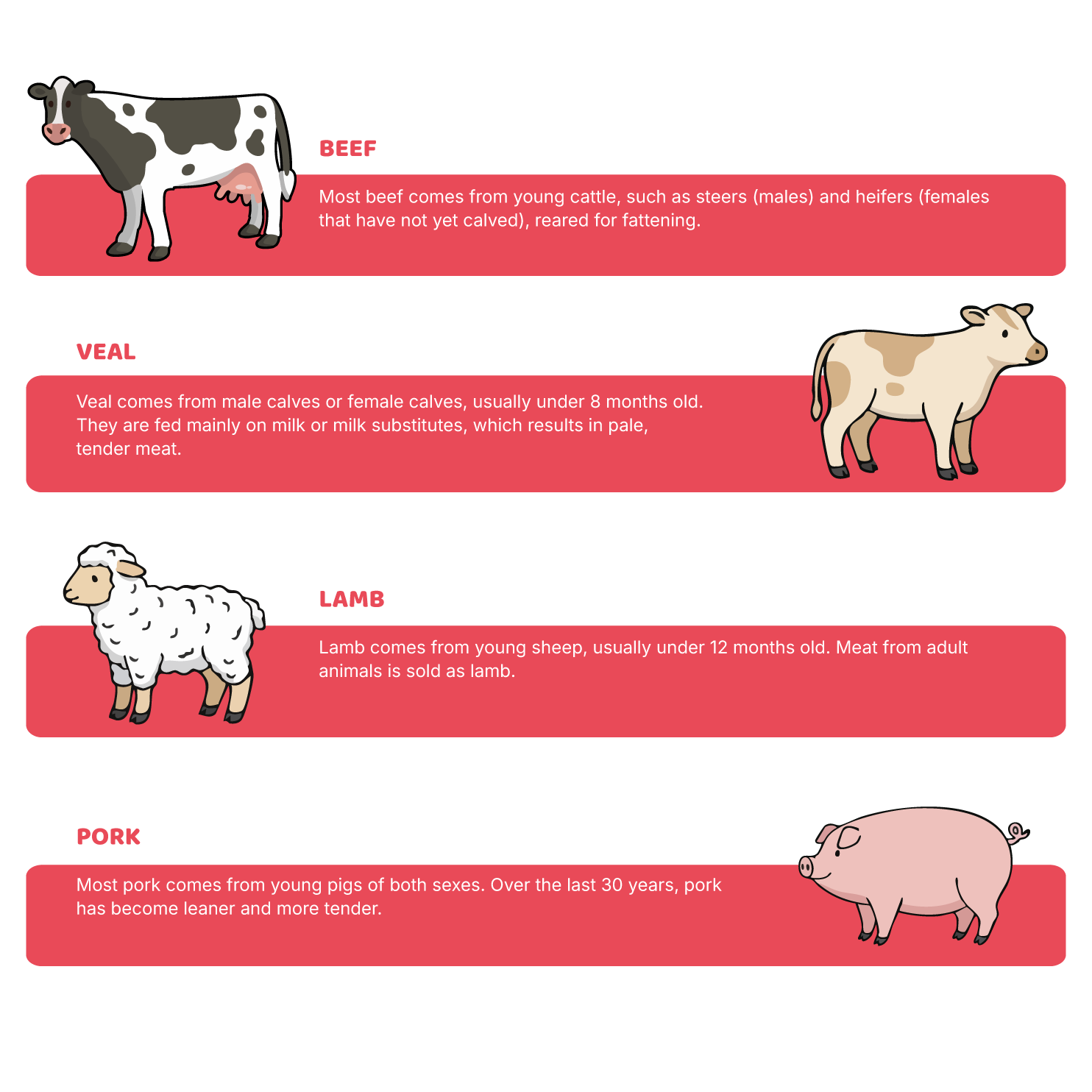
Beef comes mainly from beef cattle, reared on farms known as livestock farms. There are various production systems:
- Extensive, where animals graze freely in large fields, feeding mainly on grass and fodder;
- Intensive, in which the animals are kept in stables or paddocks and fed a mixture of cereals, pulses and minerals;
- Mixed, which combines periods of grazing with supplementary feeding.
In Portugal, there is a strong tradition of extensive farming, particularly in regions such as the Alentejo, Trás-os-Montes and the Beiras, where cattle graze on meadows and oak woodlands. Native breeds such as the Mirandesa, Marinhoa, Barrosã and Alentejana are renowned for their high-quality meat and for their importance in preserving the rural landscape.
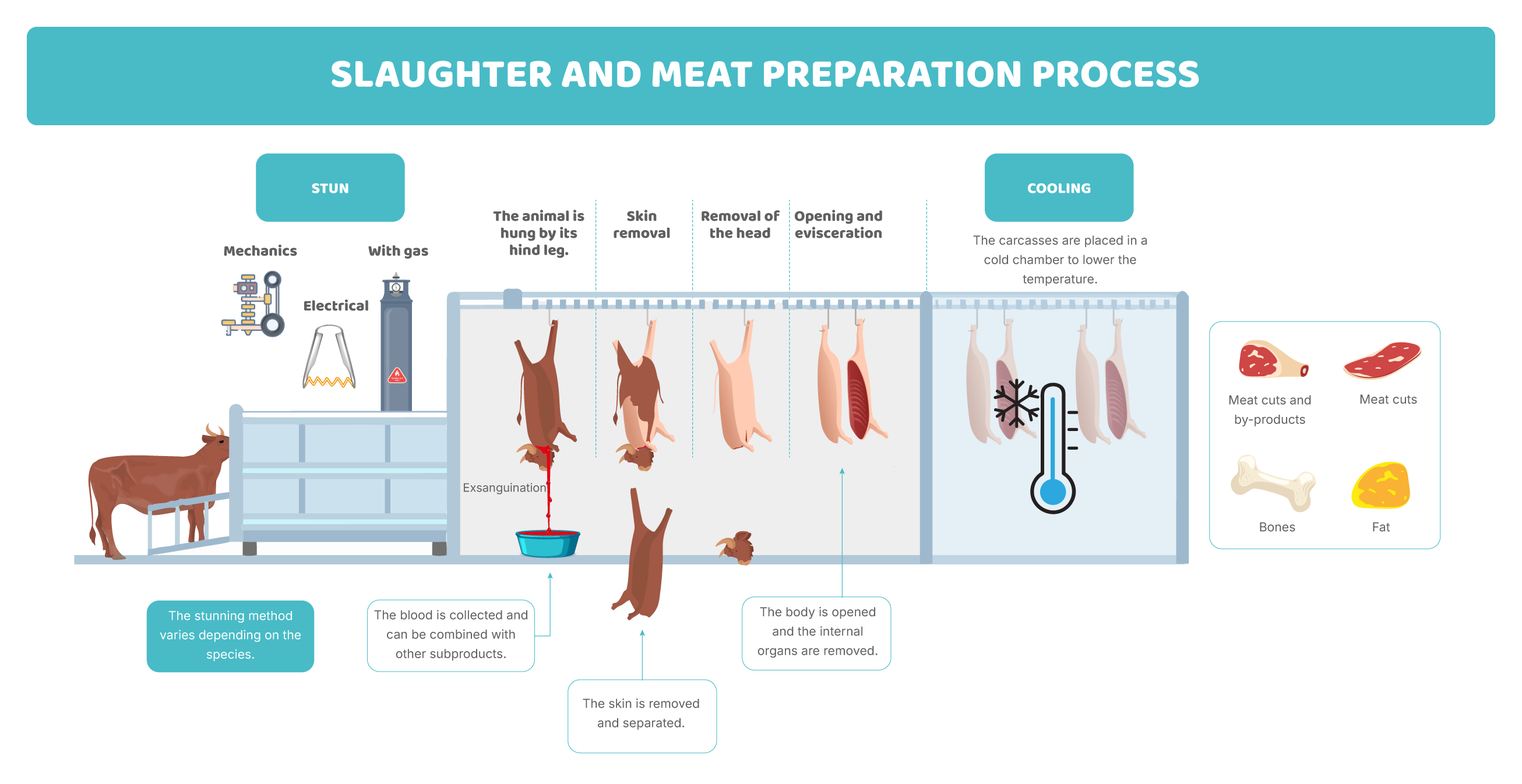
SUSTAINABILITY AND ENVIRONMENTAL IMPACT
Red meat production can have a significant environmental impact, primarily due to emissions of methane – a greenhouse gas produced during the digestion of ruminants – and the use of water and land.
However, production systems are changing. Many producers are now adopting more sustainable practices, such as:
• Better pasture management, which helps to sequester carbon and protect the soil;
• Natural and locally sourced feed, reducing transport and waste;
• Animal welfare certification, ensuring that animals live in good conditions.
The native Portuguese breeds, reared using traditional methods, contribute to the conservation of biodiversity and the preservation of the rural landscape, helping to strike a balance between production and the environment.

A tip for planning your meals
When planning your meals, eat red meat in moderation; once or twice a week is enough to get the nutrients you need. Opt for locally sourced and certified meat, from native breeds or extensive farming, and always combine it with vegetables and pulses. In this way, you look after your health, help the environment and support Portuguese producers.
FOODWISELAB Challenge

Understanding the source of red meat (beef, pork, lamb or goat), its journey to the plate, and reflecting on more informed, responsible and moderate choices.
Where does red meat come from?