
Where do the fruits come from?
Fruit is the edible produce of many plants and trees, and comes in a huge variety of shapes, colours, aromas and flavours. It grows in virtually every region of the world and is an essential part of a balanced diet.
Origin and diversity
Fruit has been part of human history for thousands of years. Some, such as the apple and the pear, come from Europe and Asia; others, such as the banana and the pineapple, are of tropical origin; and then there are citrus fruits, such as oranges and lemons, which reached the Iberian Peninsula from Asia via ancient trade routes. Today, Portugal produces a wide variety of fruit, ranging from Alcobaça apples and Rocha pears to Fundão cherries, Algarve oranges and Douro grapes.
How fruit grows
Each type of fruit grows differently. Fruit trees, such as apple, peach, orange and olive trees, produce flowers which, once pollinated, turn into fruit. Other fruits, such as strawberries and raspberries, grow on small ground-covering plants or bushes, whilst grapes grow on vines.
Fruit cultivation requires fertile soil, sufficient water, sunlight and pollinators, such as bees, which are essential for fruit set. Farmers often use techniques such as pruning, natural fertilisation and pest control, avoiding pesticides where possible, to ensure healthy, high-quality harvests.
Fruits
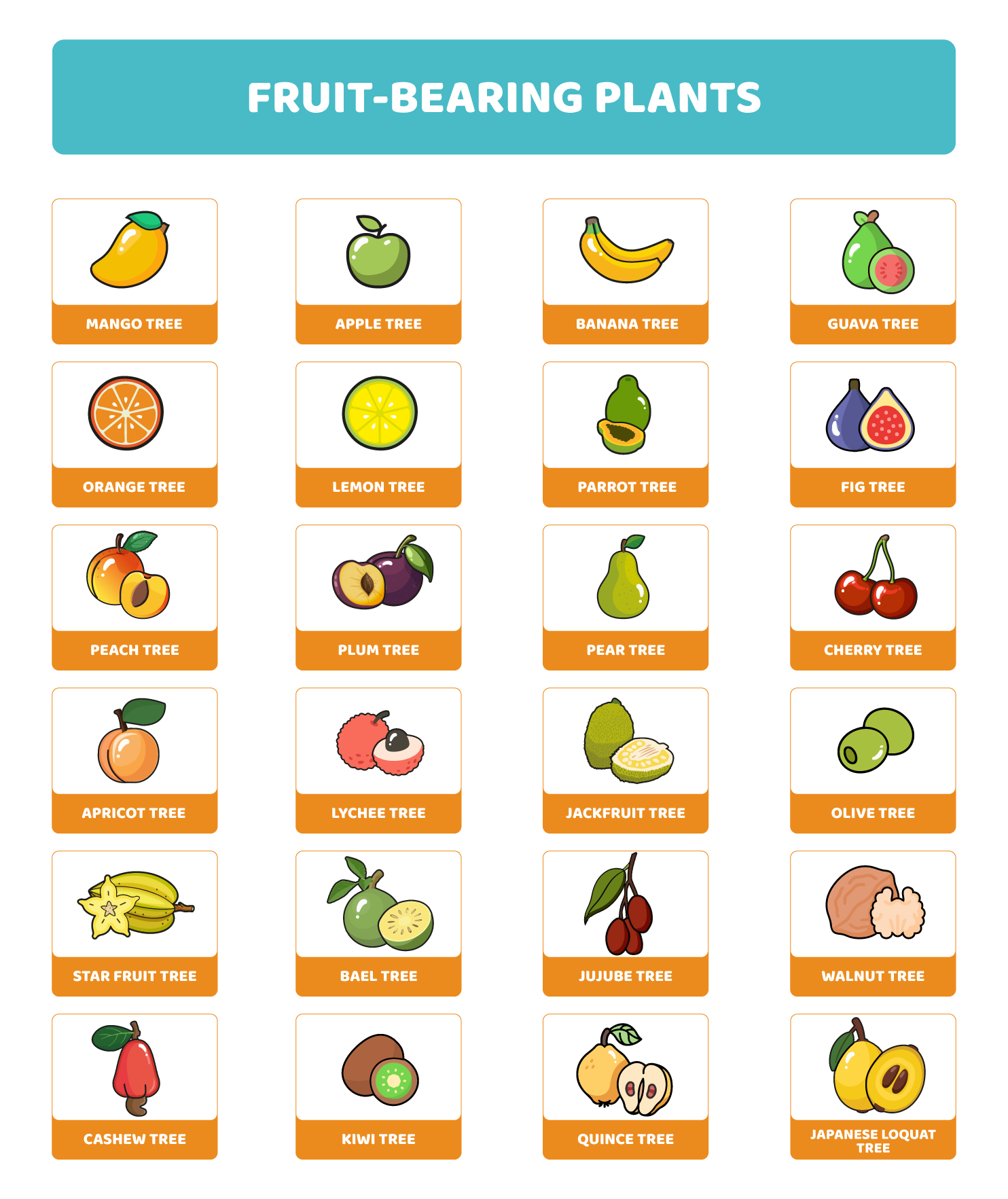
The fruit harvest depends on the variety and the time of year. In Portugal, summer is the season for fresh fruit, such as peaches, watermelons and plums, whilst autumn brings apples, grapes and chestnuts. Each fruit has an ideal time for harvesting, when it is ripe, sweet and colourful.
Once harvested, the fruit is sorted, washed and packed to be sold in local markets and supermarkets, or exported to other countries. Some fruits are processed into juices, compotes, jams or dried fruit, so that they can be enjoyed all year round.
Fruit and health
Fruit is essential for good health. It contains vitamins, minerals, fibre and antioxidants which strengthen the immune system, aid digestion and reduce the risk of conditions such as diabetes and cardiovascular problems. Each colour of fruit indicates the presence of different nutrients:
- Red fruits (such as strawberries and cherries) are rich in antioxidants.
- Fruits that are orange and yellow (such as oranges and mangoes) contain vitamin C and beta-carotene.
- Green fruits (such as kiwis and green grapes) contain calcium, iron and vitamin K.
- Purple and blue fruits (such as black grapes and blackberries) are excellent for the heart and the brain.
SUSTAINABILITY AND LOCAL PRODUCTION
Fruit cultivation has an impact on the environment, particularly when it involves long-distance transport or the excessive use of pesticides. That is why local and seasonal production is the best option: it reduces the ecological footprint, supports local farmers and ensures fresher, tastier fruit.
The use of sustainable practices, such as organic farming, composting and efficient water use, helps to protect the soil and biodiversity, ensuring that future generations can continue to enjoy the fruit we know today.

A tip for planning your meals
Plan your meals to include fruit of different colours every day, for example, an apple for breakfast, a banana mid-morning and a slice of melon with dinner. Whenever possible, choose seasonal and locally grown fruit, which is more nutritious and environmentally friendly. By choosing fresh fruit instead of sugary desserts, you’re looking after your health and helping to create a more sustainable planet.
FOODWISELAB challenge

To raise awareness of the origin of fruit, seasonality and the distance travelled, encouraging more sustainable and informed choices.